


تؤثر قرارات اختيار آلة تكسير الثلج مقابل آلة حلاقة الثلج، أيهما الأنسب للتطبيقات التجارية، بشكل مباشر على هوامش ربح المشروبات وأوقات الانتظار في ساعات الذروة. يؤدي استخدام تصميم ميكانيكي غير مناسب إلى احتراق المحرك قبل الأوان خلال فترات الذروة الصيفية، وإلى تخفيف الشراب بشكل مفرط.
يقارن هذا التحليل أداء الكسارات عالية التأثير مع أداء ماكينات تسوية الأسطح الدقيقة. نقوم بتقييم دورات التشغيل المستمرة لمحركات الحث حتى 1500 واط، بالإضافة إلى حسابات ذروة السعة لمدة 90 دقيقة، لمساعدتك في ضمان سير عمل تشغيلي عالي الربحية.
مقارنة بين كسارة الثلج وماكينة حلاقة الثلج: نظرة عامة
تقوم آلات تكسير الثلج بتكسير المكعبات لتبريد المشروبات وعرضها بسرعة، بينما تقوم آلات حلاقة الثلج بحلاقة طبقات رقيقة وموحدة لإنتاج ثلج رقيق يمتص الشراب للحلويات الفاخرة.
أنسجة جليدية مميزة وتصاميم ميكانيكية
تعتمد كسارات الثلج على قوة الصدم العالية. تقوم مثاقب معدنية متينة أو صفائح تكسير بضرب وتكسير الكتل أو المكعبات الصلبة، وتحويلها إلى حبيبات خشنة غير منتظمة. صُممت هذه الحبيبات الخشنة والكثيفة للاستخدامات العملية السريعة بدلاً من التركيز على المظهر الجمالي.
يُوفر هذا الثلج المجروش تبريدًا سريعًا للمشروبات بفضل مساحة سطحه الكبيرة، كما أنه يحافظ على بنيته جيدًا. ويُشكل قاعدة عرض كثيفة وثابتة تدوم طويلًا لأرفف المأكولات البحرية أو بوفيهات الطعام، حيث يقاوم الانهيار الفوري تحت أواني الطعام.
تعمل آلات تكسير الثلج وفق مبدأ ميكانيكي مختلف تماماً. فبدلاً من تكسير الثلج، تقوم شفرات حادة قابلة للتعديل بدقة بتسوية طبقات رقيقة جداً من كتلة أو مكعب الثلج. ينتج عن ذلك رقائق ناعمة ورقيقة تشبه السحاب، تحاكي تساقط الثلج الطبيعي.
يتميز الثلج المجروش بمساميته العالية، فهو يمتص الشراب والنكهات بالتساوي كالإسفنج، مما يحافظ على النكهة في جميع أنحاء كومة الحلوى. هذا يمنع السوائل من التجمع مباشرة في قاع كوب التقديم، ويضمن تجربة طعم متناسقة من أول ملعقة إلى آخرها.
القدرة التشغيلية ومطابقة قائمة الطعام التجارية
يعتمد اختيار الآلة على مصدر دخلك الرئيسي. تحتاج الحانات ومطاعم الوجبات السريعة وأسواق المأكولات البحرية إلى كسارات ثلج لتلبية احتياجات التبريد بكميات كبيرة. أما محلات الحلويات المتخصصة والمقاهي وأكشاك الطعام، فتحتاج إلى آلات تكسير ثلج مخصصة لتقديم مشروبات الثلج المجروش والمثلجات ذات هامش الربح المرتفع.
تجنب تحديد حجم المعدات بناءً على متوسط الاستخدام اليومي، لأن ذلك يؤدي إلى نقص في ساعات الذروة. يستخدم المشغلون المحترفون حسابات محددة لاختيار آلاتهم:
- فترة الذروة: قم بقياس الاستخدام الفعلي للثلج بالكيلوغرامات خلال فترة الخدمة الأكثر ازدحامًا التي تبلغ 90 دقيقة على مدار ثلاثة أيام.
- هامش الأمان: اضرب هذا المتوسط في 1.3 لإنشاء هامش أمان لذروة الأحمال والنمو التجاري المستقبلي.
- دورة تشغيل المحرك: تستخدم ماكينات الحلاقة الثقيلة محركات حثية تصل قدرتها إلى 1500 واط للعمل المتواصل لمدة 8 ساعات، بينما تقوم الكسارات الصناعية بمعالجة مئات الكيلوغرامات يوميًا.
يُسهم اختيار الجهاز المناسب لقائمة طعامك في تجنب حدوث اختناقات تشغيلية. كما تحمي الأجهزة عالية الطاقة والمصممة للعمل المتواصل سير عملك من ارتفاع درجة الحرارة والتوقف الحراري أثناء فترات الحر الشديدة.
الاختلافات الرئيسية بين كسارات الثلج وآلات كشط الثلج
تُتيح كسارات الثلج برامج تبريد سريعة للمشروبات باستخدام جزيئات خشنة. أما آلات تقطيع الثلج فتُنتج قواعد ثلجية رقيقة وعالية الجودة مُحسّنة لامتصاص النكهات بسرعة في الحلويات الفاخرة.
| عامل | كسارة الثلج | ماكينة حلاقة الثلج |
|---|---|---|
| نسيج الإخراج | قطع خشنة وغير منتظمة ومتكتلة | رقائق ناعمة ورقيقة تشبه الثلج |
| الآلية | الصدم، القص، الكسر بواسطة الشفرات أو الأسنان | تسوية أو تقطيع الطبقات الرقيقة بشفرات دقيقة |
| امتصاص الشراب | منخفض؛ يتدفق السائل ويتجمع في الأسفل | بنية مسامية عالية تحافظ على الشراب بشكل متجانس |
| معدل الذوبان | أبطأ؛ يحافظ على درجة حرارة المشروب مع تخفيف أقل | سريع الذوبان؛ يذوب بسرعة على اللسان لنكهة فورية |
| المواقع الرئيسية | الحانات، المطاعم غير الرسمية، المقاهي، عروض المأكولات البحرية | محلات الحلويات، أكشاك بيع مخاريط الثلج، أكشاك بيع الكاكيكوري |
المخرجات الفيزيائية وخصائص الملمس
يُحدد التقسيم الميكانيكي للثلج خصائصه الفيزيائية وكيفية تجربة العملاء للمنتج النهائي. يجب على المشغلين مطابقة شكل المنتج النهائي مع أهدافهم في مجال الطهي.
- خصائص الملمس: تنتج الكسارات قطعًا غير منتظمة وحادة ذات قوام كثيف. أما الكسارات الناعمة فتنتج طبقات دقيقة بسمك أقل من 0.1 مم، مما يخلق ثلجًا ناعمًا ومتجانسًا.
- دمج الشراب: يعمل الثلج المجروش كالإسفنج، حيث يمتص الشراب عبر بنيته المسامية. أما الثلج المسحوق فهو ذو مسامية منخفضة، مما يجعل الشراب الثقيل ينزلق إلى قاع الوعاء.
- السلوك الحراري: تقاوم القطع الكثيفة الناتجة عن عملية الطحن الحرارة المحيطة لمنع تخفيف المشروب قبل الأوان. تذوب الرقائق المبشورة على الفور تقريبًا عند ملامستها اللسان، مطلقةً النكهات مباشرةً.
تقديم الحلويات الفاخرة على ثلج مجروش خشن يوحي بجودة أقل للمشترين. اختيار القوام الخاطئ يؤثر بشكل مباشر على رضا العملاء وتكرار عمليات الشراء.
الأدوار التشغيلية وتكامل القوائم
يساهم دمج الآلة المناسبة في خط الإنتاج في تجنب حدوث اختناقات في الخدمة خلال فترات الذروة. وتحدد متطلبات سير العمل والمكونات الرئيسية عملية الاختيار.
- الآلية الميكانيكية: تقوم الكسارات بتكسير مكعبات الثلج الجاهزة باستخدام أسنان معدنية دوارة أو مثاقب حلزونية. أما آلات الكشط فتضغط على كتل الثلج الكثيفة مقابل شفرات مسحاج حادة للغاية.
- تنسيق القائمة الرئيسية: تستخدم حانات الكوكتيل ذات الإقبال الكبير آلات تقطيع الفاكهة لتقديم الموهيتو ومشروبات تيكي. أما أكشاك الحلويات فتستخدم آلات حلاقة تعمل بمحركات الحث لتقديم الكاكيكوري والبينغسو والأصناف ذات الطابع الهاواي.
- الصيانة التشغيلية: تتطلب آلات الحلاقة معايرة وشحذ الشفرات بشكل متكرر للحفاظ على إنتاجية عالية. أما آلات التكسير اللولبية فتتطلب صيانة أقل تكرارًا، وتتحمل بسهولة التآكل الطفيف للشفرات.
يستطيع المشغلون حساب احتياجاتهم القصوى من خلال تحليل فترة الخدمة الأكثر ازدحامًا التي تمتد لأكثر من 90 دقيقة. ويساهم تحديد الحجم المناسب في خفض تكاليف العمالة ومنع تراكم الطوابير خلال فترات الذروة الموسمية.
عزز الكفاءة باستخدام كسارات الثلج شديدة التحمل
احصل على أسعار تجارية الآن →
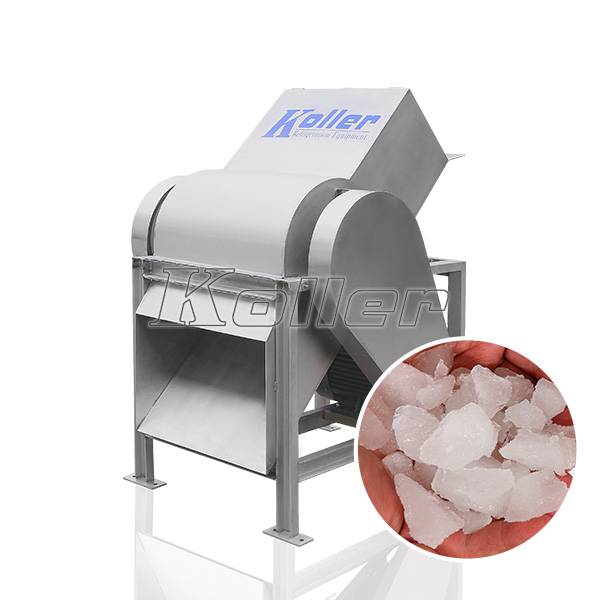
كيف تعمل كل آلة
تستخدم الكسارات قوة الصدم لتكسير الجليد إلى قطع مقرمشة، بينما تستخدم آلات الحلاقة شفرة حادة لتسوية الكتل الصلبة وتحويلها إلى ثلج ناعم.
الحركة الميكانيكية لكسارات الثلج التجارية
تعتمد كسارات الجليد على القوة الغاشمة والسرعة العالية لتفتيت الجليد الصلب. وتتبع هذه العملية تسلسلاً فيزيائياً مباشراً:
- التغذية بالجاذبية: تنزلق قوالب الثلج أو مكعبات الثلج من القادوس مباشرة إلى غرفة التكسير.
- دوران المحرك: يقوم محرك كهربائي بتدوير شفرات أو أسنان أو عجلات سحق شديدة التحمل بسرعات عالية.
- التكسير الناتج عن الصدمات: تعمل قوى الصدمات والقص عالية السرعة على تكسير الجليد الصلب إلى قطع خشنة وغير منتظمة ومقرمشة.
- التفريغ المستمر: يقوم النظام بدفع القطع المعالجة باستمرار عبر قناة الإخراج.
آلية التخطيط لماكينات حلاقة الثلج التجارية
تستخدم آلات كشط الثلج محاذاة دقيقة بدلاً من قوة الصدم. تعمل هذه الآلية على كشط طبقات رقيقة للغاية من مصدر ثلج مستقر.
- التثبيت الميكانيكي: يقوم مشبك شديد التحمل أو لوحة ضغط بتثبيت كتل الثلج الكبيرة بإحكام على منطقة القطع.
- عزم الدوران الدوراني: يقوم المحرك الكهربائي بتدوير إما كتلة الثلج أو مجموعة شفرات حادة قابلة للتعديل.
- التسوية الدقيقة: تقوم الشفرة بتسوية طبقات دقيقة من سطح الجليد، مما يخلق نسيجًا ناعمًا يشبه الثلج.
- ضبط الشفرة: يقوم المشغلون بضبط محاذاة الشفرة لتغيير سمك وكثافة الحلاقة وفقًا لاحتياجات قائمة محددة.
مقارنة نسيج الجليد
يؤثر قوام الثلج على تخفيف المشروب وجودة الحلوى. فالثلج المجروش الخشن يحافظ على برودة المشروب، بينما يضمن الثلج المبشور الناعم امتصاص النكهة بشكل متساوٍ.
الخصائص الفيزيائية وسلوكيات ذوبان الثلج المجروش والمُبشور
تنتج آلات تكسير الثلج قطعًا خشنة وزاوية الشكل وكبيرة الحجم. توفر هذه القطع غير المنتظمة قوامًا مقرمشًا مميزًا يتوقعه الزبائن في المشروبات الباردة التقليدية.
تُنتج آلات صنع الثلج المجروش رقائق خفيفة ورقيقة تشبه الثلج. يذوب هذا الملمس الرقيق فوراً على اللسان، مما يمنح شعوراً ناعماً في الفم يُحاكي تساقط الثلج الطبيعي.
تؤثر الاختلافات الميكانيكية بشكل مباشر على الأداء الحراري. يحتفظ الثلج المجروش ببنيته لفترة أطول في السوائل للتحكم في التخفيف، بينما تؤدي المساحة السطحية العالية للغاية للثلج المبشور إلى ذوبان سريع.
امتصاص النكهات والتطبيق العملي في الخدمة التجارية
يمتص الثلج المجروش الناعم الشراب بالتساوي كالإسفنج، مما يحافظ على النكهة في جميع أنحاء الكوب. في المقابل، تتسرب السوائل من فوق الثلج المجروش الخشن وتتجمع في قاع الكوب، مما يؤدي إلى تفاوت في النكهة.
هذه الخاصية تجعل الثلج المجروش المبرد المثالي للكوكتيلات والمشروبات السريعة. فهو يبرد المشروبات بسرعة ويحافظ على قوامها المطلوب دون أن يذوب فوراً.
يُعدّ الثلج المجروش المكوّن الغذائي الأساسي في مفاهيم الحلويات الفاخرة. فملمسه الرقيق الذي يُسهّل تناوله بالملعقة يسمح لأصحاب المحلات بتقديم حلويات غنية بالنكهات وذات هامش ربح عالٍ، يتناولها الزبائن بالملعقة.
أفضل التطبيقات التجارية لكل آلة
اختر كسارات الثلج لتبريد المشروبات بسرعة وعرض الأطعمة، واختر ماكينات حلاقة الثلج لحلويات الثلج عالية الربحية والتي تمتص الشراب.
تقوم كسارات الثلج بتفتيت مكعبات الثلج بسرعة إلى حبيبات كثيفة بطيئة الذوبان. يخدم هذا التصميم الميكانيكي أنظمة المشروبات ذات الأحجام الكبيرة وأسرّة التبريد الهيكلية.
أماكن بيع الأطعمة والمشروبات ذات الأحجام الكبيرة لآلات تكسير الثلج
- الحانات وصالات الكوكتيل: تستخدم الحانات ذات معدل الإقبال العالي الثلج المجروش للكوكتيلات الكلاسيكية مثل الموهيتو والمارجريتا والجوليب حيث يكون التبريد السريع والتخفيف المتحكم فيه أمراً ضرورياً.
- المطاعم والمقاهي ذات الخدمة السريعة: تعتمد هذه الأماكن على الحبيبات الخشنة لتبريد المشروبات الباردة ومزجها في مشروبات الفرابيه دون تخفيف المشروب بالماء على الفور.
- خدمات تقديم الطعام والحفلات: تسمح الكسارات الكهربائية المحمولة للحانات المتنقلة بتحضير كميات كبيرة من ثلج المشروبات بسرعة في الموقع دون الحاجة إلى عمليات لوجستية معقدة.
- أسواق المأكولات البحرية والبوفيهات: يشكل الثلج المجروش الخشن طبقة ثابتة ومصرفة تحافظ على درجات الحرارة الباردة وتثبت الأطعمة الطازجة بشكل آمن.
تقطع شفرات الحلاقة الثلج إلى طبقات رقيقة وناعمة. وهذا يسمح للمنتج بامتصاص الشراب بالكامل بدلاً من تساقطه.
متاجر متخصصة في الحلويات ومنافذ موسمية لماكينات حلاقة الثلج
- أكشاك بيع الثلج المجروش والمخاريط الثلجية: تتطلب الأكشاك المخصصة ثلجًا ناعمًا جدًا ومساميًا حتى يتم توزيع الشراب المصبوب بالتساوي بدلاً من تجمعه في الأسفل.
- محلات الحلويات الفاخرة: تقدم المقاهي الراقية حلويات البينغسو والكاكيغوري وأطباق الفاكهة ذات الملمس المميز والتي تتطلب ملمسًا ناعمًا وكريميًا في الفم.
- أكشاك الحدائق الموسمية والممرات الخشبية: توفر آلات الحلاقة السريعة تقسيمًا سريعًا للحصص خلال فترات الذروة ذات الحركة المرورية العالية، مما يزيد من الإنتاجية بالساعة.
- محلات شاي الفقاعات والحلويات: تستخدم المقاهي الهجينة الثلج المجروش ناعماً لإعداد مشروبات مميزة خاصة ممزوجة بالشراب وإضافات مميزة إلى قائمة الطعام.
الأداء، والقدرة، وتكاليف التشغيل
يعتمد الاختيار بين آلة تكسير الثلج وآلة حلاقة الثلج على ما إذا كنت تقدم مشروبات تعتمد على الكمية أو حلويات الثلج المجروش ذات هامش الربح العالي والحساسة للملمس.
تخطيط الإنتاج التشغيلي والقدرة الاستيعابية
تبدأ كفاءة التشغيل بمواءمة آليات الآلة مع مخرجات قائمة الطعام الخاصة بك بدقة. وتتعامل آلات السحق والحلاقة مع مهام طهي مختلفة وتتطلب استراتيجيات قياس مختلفة.
- الملمس وملاءمة الاستخدام: تنتج كسارات الثلج ثلجًا خشنًا وحبيبيًا للكوكتيلات والمشروبات الغازية، بينما تنتج آلات الحلاقة رقائق ناعمة تشبه الثلج للحلويات الخاصة.
- تحديد حجم الإنتاجية وذروة الطلب: عادةً ما توفر الكسارات من 150 إلى 440 رطلاً في الساعة للخدمة السريعة، في حين أن آلات التقطيع توفر إنتاجية أقل للوزن الخام (حوالي 130 رطلاً في الساعة) ولكنها تدعم إنتاج الحلوى المستمر لمدة 8 ساعات.
- اختلافات قوة المحرك ودورة التشغيل: تعمل الكسارات بمحركات قوية تتراوح قوتها من 1/3 إلى 1 حصان مصممة لدورات التشغيل والإيقاف المتكررة، بينما تستخدم آلات الحلاقة محركات حثية تتراوح قوتها من 250 واط إلى 1500 واط مصممة للقطع الدقيق المستمر.
لحساب احتياجاتك اليومية من الثلج، اضرب معدل استهلاكك للثلج خلال أكثر 90 دقيقة ازدحامًا في هامش أمان قدره 1.3. تضمن هذه العملية أن الآلة التي اخترتها قادرة على التعامل مع ذروة الاستخدام دون التسبب في أي اختناقات في الخدمة.
متطلبات المرافق وتكلفة الملكية على مدى العمر
بالإضافة إلى عملية الشراء الأولية، فإن البنية التحتية المادية للمرافق وجداول الصيانة اليومية تحدد تكاليف التشغيل الفعلية طويلة الأجل.
- المتطلبات الكهربائية: تعمل الكسارات على دوائر كهربائية قياسية 110-120 فولت، بينما تتطلب آلات الحلاقة عالية السعة في كثير من الأحيان طاقة أحادية الطور أو ثلاثية الطور مخصصة 220 فولت.
- الامتثال لمعايير الصيانة والنظافة: تتطلب الكسارات تعقيمًا سريعًا وفحوصات أساسية للشفرات، بينما تتطلب آلات الحلاقة معايرة دقيقة للشفرات ومحاذاة منتظمة لمنع توقف التشغيل.
- ديناميكيات التكلفة الإجمالية للملكية: تتميز الكسارات منخفضة الجودة بتكاليف أولية طفيفة، في حين تتطلب ماكينات الحلاقة الممتازة استثمارات أولية أعلى ولكنها تحقق هوامش ربح أقوى من خلال عناصر القائمة المتخصصة.
يقلل استخدام معدات من الفولاذ المقاوم للصدأ معتمدة من مؤسسة NSF من مخاطر مخالفة قوانين الصحة العامة. كما أن المكونات القابلة للإزالة التي يمكن للمشغلين تنظيفها في أقل من 90 ثانية تحافظ على انخفاض تكاليف العمالة وتحمي علامتك التجارية.
أي الشركات ينبغي أن تختار آلة تكسير الثلج
اختر آلة تكسير الثلج إذا كانت إيراداتك تعتمد على المشروبات والتبريد السريع والاستخدام بكميات كبيرة بدلاً من الحلويات الثلجية الفاخرة.
أماكن الضيافة والمشروبات المستهدفة
تتوافق بعض أنواع الأعمال التجارية بشكل طبيعي مع إنتاجية كسارات الثلج التجارية. وتُعطي هذه العمليات الأولوية للتبريد السريع والمتانة الهيكلية على حساب الملمس الناعم الشبيه بالثلج.
- الحانات وصالات الكوكتيل: تتطلب الأماكن ذات الإقبال الكبير كمية ثابتة من الثلج الحبيبي لإعداد المشروبات الكلاسيكية مثل الموهيتو ومشروبات التيكي. يوفر هذا النوع من الثلج التخفيف البطيء والمتجانس اللازم للحفاظ على توازن المشروب.
- المطاعم وأماكن تناول الطعام غير الرسمية: تتطلب العمليات متعددة الاستخدامات ثلجًا متعدد الاستخدامات لتلبية العديد من مهام المطبخ. ويشمل ذلك التبريد السريع للمشروبات، وتبريد بوفيهات السلطة، وإعداد عروض المأكولات البحرية الطازجة الباردة.
- المطاعم السريعة، ومحلات العصائر، والمقاهي: تعتمد البيئات ذات معدل دوران الموظفين العالي على الثلج الخشن الذي يمكن للموظفين مزجه مباشرة في العصائر، والفرابيه، والمشروبات المثلجة دون الإفراط في تهوية القاعدة.
الملفات التشغيلية ومتطلبات الحجم
يعتمد اختيار الكسارة بشكل كبير على سير العمل اليومي، ومزيج المبيعات، والمتطلبات البدنية لساعات الذروة.
- نماذج الأعمال التي تهيمن عليها المشروبات: تحتاج الأماكن التي تحقق أكثر من ستين بالمائة من مبيعات المنتجات الباردة من المشروبات المختلطة والقهوة والمشروبات المثلجة إلى آلة تكسير مخصصة للحفاظ على الحجم اليومي.
- أوقات الخدمة حسب ذروة الطلب: يجب على المنشآت التي تحتاج إلى أكثر من 200 رطل من الثلج في الساعة للتعامل مع فترات الذروة الشديدة لتناول الغداء أو العشاء استخدام كسارة قوية لتجنب الاختناقات التشغيلية.
- متطلبات الثلج متعددة الأغراض: يجب على المطابخ وخدمات الولائم تحقيق التوازن بين سرعة تقديم المشروبات وتبريد الحاويات بسرعة عالية وصيانة خزائن العرض.
إن مطابقة هذه المقاييس تمنع احتراق المحركات وتضمن بقاء خط التحضير الخاص بك ممتلئًا بالكامل عندما يزداد عدد المارة.
ما هي الشركات التي ينبغي عليها اختيار ماكينة حلاقة الثلج؟
يجب على عمليات تقديم الحلويات المتخصصة والأماكن ذات الحجم الكبير التي تتطلب ثلجًا موحدًا يمتص الشراب أن تعطي الأولوية لآلات كشط الثلج الدقيقة لحماية جودة المنتج وأسعار قوائم الطعام المميزة.
محلات الحلويات المتخصصة والمثلجات
تعتمد مفاهيم الحلويات بشكل كبير على قوامها. فعندما يُستخدم الثلج كمكون أساسي بدلاً من مجرد مُبرّد للمشروبات، تعجز معدات التكسير العادية عن تحقيق النتيجة المرجوة. لذا، يجب على الشركات المتخصصة استخدام آلات تقطيع مخصصة للحصول على القوام الرقيق غير الحبيبي الذي يتوقعه العملاء من الحلويات الباردة الفاخرة.
- محلات الثلج المجروش والكاكيغوري: تعتمد هذه المفاهيم كلياً على قوام ناعم يشبه الثلج يحمل الشراب بالتساوي على كامل الجزء بدلاً من ترك النكهة تتجمع في الأسفل.
- المقاهي المتخصصة في الحلويات والأكشاك الموسمية: أماكن تُستخدم فيها المثلجات المجروشة كعنصر أساسي في قائمة الطعام ومصدر للدخل، بدلاً من كونها مجرد زينة ثانوية للمشروبات.
- خطوط تقديم الطعام ذات الحجم الكبير: عمليات تتطلب إنتاجًا سريعًا ومتسقًا للغاية لمنع حدوث اختناقات في الخدمة أثناء فترات العمل المزدحمة.
بالنسبة لهذه الأماكن المتخصصة، فإن الملمس الناعم للثلج المجروش يدعم بشكل مباشر التسعير المرتفع. أما تقديم الثلج الخشن والمقرمش في حلوى متخصصة فيضر بالعلامة التجارية ويقلل من تكرار الزبائن.
أماكن ذات حجم كبير واحتياجات إنتاج مستمرة
لا يمكن الاعتماد على المعدات الخفيفة في العمليات ذات الإقبال الكبير. فعندما تكون طوابير العملاء طويلة ومتواصلة، تتعرض الآلات لإجهاد ميكانيكي شديد. تتطلب الأماكن ذات الطلب المستمر ماكينات حلاقة تجارية مصممة لتحمل دورات عمل شاقة.
- التشغيل المستمر خلال ساعات الذروة: الأماكن التي تتطلب محركات شديدة التحمل وهيكل متين لتحمل التشغيل المستمر دون ارتفاع درجة الحرارة.
- قوائم الطعام التي تركز على امتصاص الشراب: المؤسسات التي تعطي الأولوية للاحتفاظ بالنكهة والشعور الناعم الشبيه بالغيوم في الفم على حساب الثلج المجروش القياسي بطيء الذوبان.
- البنية التحتية عالية الطاقة: الشركات التي لديها مساحات عمل كهربائية ومادية مصممة لدعم الآلات التجارية الثقيلة وعالية الطاقة.
يضمن اختيار ماكينة حلاقة مخصصة بدلاً من وحدة ثنائية الوظائف ذات أداء ضعيف، الحفاظ على دقة محاذاة الشفرات تحت ضغط مستمر. هذه الموثوقية الميكانيكية تحمي إنتاجيتك في الساعة وتضمن استمرارية العمل بسلاسة.
قائمة التحقق قبل اتخاذ قرار الشراء
اختر معدات الثلج التجارية عن طريق مطابقة الملمس مع قائمة الطعام الخاصة بك، وحساب ذروة السعة لمدة 90 دقيقة مع هامش أمان 1.3، والتحقق من الامتثال لمعايير النظافة الصحية NSF.
متطلبات قائمة الطعام وحسابات السعة
قبل الشراء، تأكد من توافق إنتاجية جهازك مع قائمة طعامك واحتياجات مطبخك اليومية. فعدم مراعاة هذه المتغيرات بشكل صحيح قد يؤدي إلى تأخيرات في الخدمة أو هدر في تكاليف الطاقة.
- اختيار قوام الثلج: اختر قوام الثلج المناسب لاحتياجات قائمة طعامك. اختر الثلج المجروش الخشن للكوكتيلات وأطباق المأكولات البحرية، أو اختر الثلج المبشور الناعم والخفيف للحلويات المميزة.
- حساب ذروة السعة: احسب ذروة سعتك عن طريق تسجيل وزن الجليد خلال فترة الـ 90 دقيقة الأكثر ازدحامًا، ثم اضرب هذا المتوسط في 1.3 لإنشاء هامش تشغيل آمن.
- التحقق من الإنتاجية: اختر آلة ذات معدل إنتاجية تشغيل مستمر تم التحقق منه بدلاً من الاعتماد على معدلات الإنتاج القصوى النظرية بالساعة.
- أبعاد مساحة العمل: تحقق من الأبعاد المادية وارتفاع التفريغ للتأكد من أن الوحدة تناسب مساحة عملك وتستوعب أكواب التقديم أو الأواني الزجاجية.
المواصفات الفنية والبنية التحتية للخدمة
تعتمد الموثوقية الميكانيكية لجهازك على التكامل السليم للمرافق، وقوة المحرك، وتصميمات الصرف الصحي التي يسهل الوصول إليها.
- النظافة وسهولة التنظيف: تحقق من شهادة NSF واختر تصميمات ذات أجزاء قابلة للإزالة بالكامل لتنظيف سريع لمنع نمو العفن والأغشية الحيوية.
- مواصفات المحرك: ابحث عن محركات بدون فرش أو محركات حثية شديدة التحمل، تستهدف من 1/3 إلى 1 حصان للتعامل مع الطلب التجاري المستمر دون ارتفاع درجة الحرارة.
- التوافق مع المرافق: تأكد من التوافق الكهربائي، بما في ذلك الدوائر المخصصة 20 أمبير، ومساحة التهوية المناسبة، وإمكانية الوصول إلى تصريف مياه الذوبان.
- السلامة التشغيلية: ضمان التشغيل الآمن باستخدام أقفال الغطاء، وإيقاف التشغيل التلقائي، ومستوى ضوضاء في مقدمة المكان أقل من 76 ديسيبل على بعد ثلاثة أقدام.
- الضمان والدعم: احصل على ضمان لمدة عامين كحد أدنى مع شرط توفير وحدة بديلة، وتأكد من وجود فني معتمد يعمل في نطاق 90 ميلاً من موقعك.
الأسئلة الشائعة
ما هو الفرق الأساسي بين كسارة الثلج التجارية وآلة حلاقة الثلج؟
تُنتج كسارات الثلج وآلات كشط الثلج قوامًا مختلفًا تمامًا للثلج. تستخدم الكسارات شفرات دوارة لسحق مكعبات الثلج إلى قطع خشنة وغير منتظمة ومقرمشة، مثالية لتبريد المشروبات ببطء. أما آلات كشط الثلج فتستخدم شفرات دقيقة لتقطيع طبقات رقيقة من قوالب أو مكعبات الثلج، مما يُنتج رقائق ناعمة ورقيقة تشبه الثلج، تمتص الشراب والنكهات بسرعة، مما يجعلها مثالية لتحضير الحلويات المميزة.
هل يمكن استخدام آلة تكسير الثلج لإنتاج ثلج مجروش أصلي؟
لا، لا تستطيع آلات تكسير الثلج إنتاج ثلج مجروش ناعم ورقيق، لأنها تصطدم بالثلج وتكسره بدلاً من تقشيره. حتى مع ضبطها على أعلى مستوى، تُنتج هذه الآلات جزيئات صغيرة خشنة بدلاً من شرائط رقيقة وناعمة. صحيح أن بعض محلات المشروبات تستخدم آلة تكسير الثلج قبل مزجه في آلة العصائر، إلا أن هذا لا يُنتج سوى مزيج ناعم يشبه الرمل، وليس ثلجًا مجروشًا حقيقيًا.
أي آلة هي الأنسب لحانة كوكتيل ذات إقبال كبير؟
تُعدّ آلات تكسير الثلج أفضل بكثير لحانات الكوكتيلات التقليدية. فالمشروبات الكلاسيكية مثل الموهيتو، ومشروب النعناع، وكوكتيلات تيكي تتطلب ثلجًا مجروشًا كثيفًا وخشنًا لتبريد المشروب بقوة مع ذوبانه ببطء للتحكم في تركيزه. أما الثلج المبشور فيحتوي على مساحة سطح كبيرة جدًا ويذوب بسرعة كبيرة في السوائل، مما يُخفف تركيز المشروبات الروحية بسرعة.
لماذا يُفضل استخدام الثلج المجروش على شكل رقائق الثلج لعرض المأكولات البحرية؟
تُعدّ آلات تكسير الثلج أو آلات إنتاج رقائق الثلج المتخصصة مثالية لعرض المأكولات البحرية. فهي تُنتج طبقة ناعمة من الثلج الناعم قابلة للتشكيل، مما يُعزز التلامس مع المأكولات البحرية، ويُخفض درجة حرارتها بسرعة إلى أقل من 4 درجات مئوية لمنع نمو البكتيريا. وعلى عكس الثلج المجروش الخشن، فإن الثلج الناعم لا يُسبب كدمات أو تلفًا لأنسجة الأسماك الرقيقة، ويُضفي مظهرًا أنيقًا واحترافيًا على منصات العرض.
أي نوع من أنواع الثلج يتمتع بأطول عمر افتراضي في الاستخدام التجاري؟
يدوم الثلج الصلب لفترة أطول في التخزين والنقل التجاري نظرًا لصغر مساحة سطحه المعرضة للهواء. عند مقارنة الثلج المُصنّع، يدوم الثلج المجروش لفترة أطول بكثير من الثلج المبشور. تقاوم القطع الخشنة والكثيفة الناتجة عن الكسارة الذوبان في المشروبات وأحواض العرض، بينما يذوب الثلج المبشور ذو البنية الخفيفة والهشة بسرعة عند تعرضه للسوائل أو الحرارة المحيطة.
كيف تختلف متطلبات الصيانة بين الكسارات وآلات الحلاقة؟
تُعدّ كسارات الثلج أسهل صيانةً من آلات كشط الثلج. تستخدم الكسارات شفرات سميكة ومتينة، بالإضافة إلى مثاقب بسيطة مقاومة للتآكل، ولا تتطلب سوى تنظيف دوري. أما آلات كشط الثلج، فتعتمد على شفرات حادة للغاية ومحاذية بدقة لكشط الثلج حتى سُمك 0.1 مليمتر. تتطلب هذه المكونات الدقيقة شحذًا متكررًا، ومعايرة دورية، وتعقيمًا دقيقًا لمنع تراكم الشراب اللزج.
هل توجد آلات تجارية يمكنها سحق الثلج وطحنه؟
تستطيع بعض الآلات الهجينة ثنائية الوظائف سحق الثلج وتجفيفه، لكنها غالبًا ما تُقلل من كفاءة الأداء. عادةً ما تُفضل الشركات ذات الإنتاجية العالية وحدات منفصلة ومخصصة. تضمن الآلات المنفصلة أقصى سرعة، وجودة قوام موثوقة، وتكرارًا تشغيليًا بحيث لا يؤدي تعطل خط إنتاج واحد إلى توقف الخدمة بالكامل.
الخاتمة
رغم أن الآلات العامة منخفضة التكلفة تبدو جذابة نظرياً، إلا أن الاستثمار في معدات عالية التحمل ومعتمدة من مؤسسة NSF هو السبيل الوحيد لحماية مشروعك من أعطال المحركات في ساعات الذروة وتدني جودة المنتج. إن اختيار الآلة المناسبة لقائمة طعامك، سواءً كانت تعمل بتقنية التكسير عالي التأثير أو تقنية التسوية الدقيقة، يحمي هوامش ربحك اليومية ورضا عملائك بشكل مباشر. كما أن اختيار آلة ذات هامش أمان معتمد يبلغ 1.3 يضمن استمرارية عمل خط الإنتاج بسلاسة خلال فترات الذروة الموسمية.
لا تُخاطر بسير عملك التشغيلي بالاعتماد على التخمين. ننصحك بمراجعة كتالوجنا التجاري الكامل لمقارنة قدرات المحركات الكهربائية وطاقات الإنتاج بما يتناسب مع تصميمك الخاص. تواصل مع فريقنا الفني اليوم لمناقشة احتياجاتك من حيث التكوين، أو لطلب عرض سعر، أو لاستكشاف حلول OEM المُخصصة.
