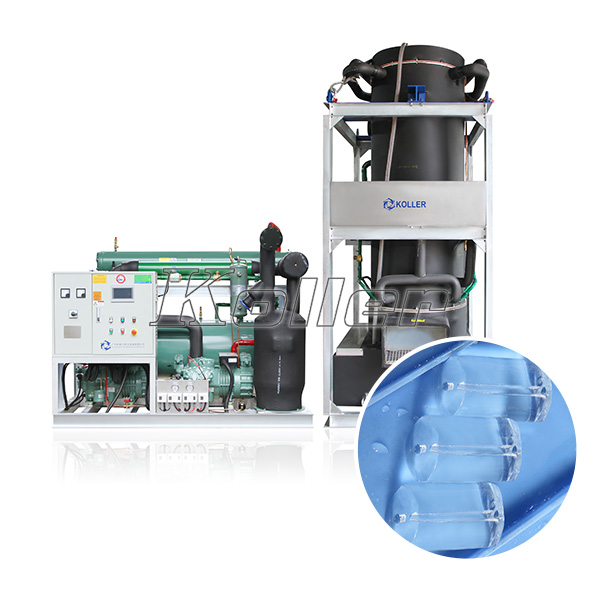
A tube ice machine produces hollow, cylindrical ice for commercial and industrial cooling applications. Its unique structure, consistent production, and different capacity options make it suitable for businesses that need reliable ice for cooling, 保存, ストレージ, and transportation.
This article explains what tube ice is, how a tube ice machine works, and where it is commonly used. It also covers production capacity, ice size, 冷却方法, and key factors to consider before purchasing a tube ice machine.
Understanding Tube Ice and Its Characteristics
Tube ice has a distinct shape and structure that affects how it melts, cools products, and fits different commercial applications. These features also set it apart from other common ice types.
What Is Tube Ice?
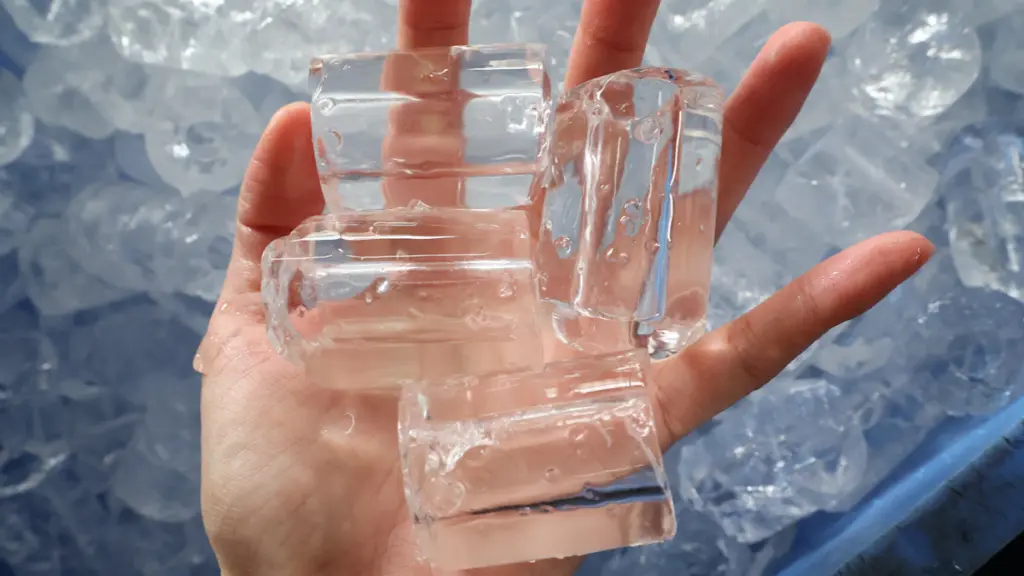
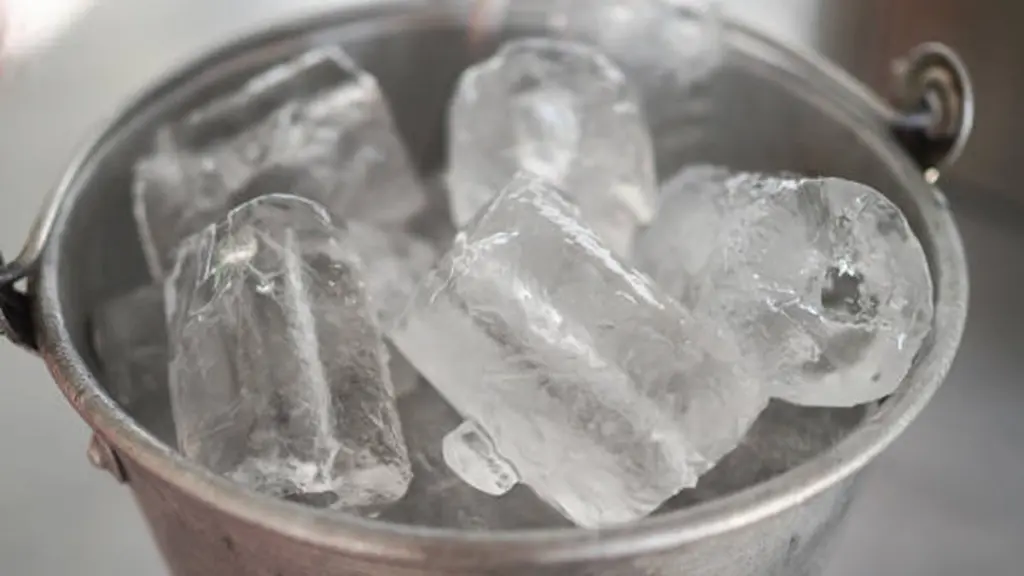
Tube ice is a type of manufactured ice with a hollow, cylindrical shape. Unlike solid ice cubes, it has an opening through the center and a smooth, uniform structure.
A tube ice maker produces ice tubes in different diameters and lengths to meet various commercial and industrial cooling needs. Its regular shape makes tube ice easy to handle, package, and transport, while the hollow center supports effective cooling for drinks, 食べ物, and other products.
How Is Tube Ice Different From Other Ice Types?
Different ice types vary in shape, melting behavior, and common applications. The following table shows how tube ice compares with other widely used ice formats.
| 氷の種類 | Shape and Structure | Common Applications |
|---|---|---|
| チューブアイス | Hollow cylindrical pieces with a central opening | 飲料冷却, 食品加工, seafood handling, and commercial ice supply |
| キューブアイス | Solid cubes or rectangular pieces | レストラン, ホテル, 飲み物, and general food service |
| フレークアイス | 薄い, irregular flakes with a large surface area | Seafood preservation, 食肉加工, and produce cooling |
| ブロックアイス | 大きい, solid blocks with high density | Long-distance transportation, ストレージ, and heavy-duty cooling |
For a detailed comparison of tube ice and cube ice, see our guide to キューブ製氷機とチューブ製氷機: どちらがあなたのビジネスに適しています?
How Does a Tube Ice Machine Work?
A tube ice machine uses water circulation and refrigeration to form hollow ice, which is then harvested and cut into uniform pieces for commercial use.
Water Circulation and Ice Formation
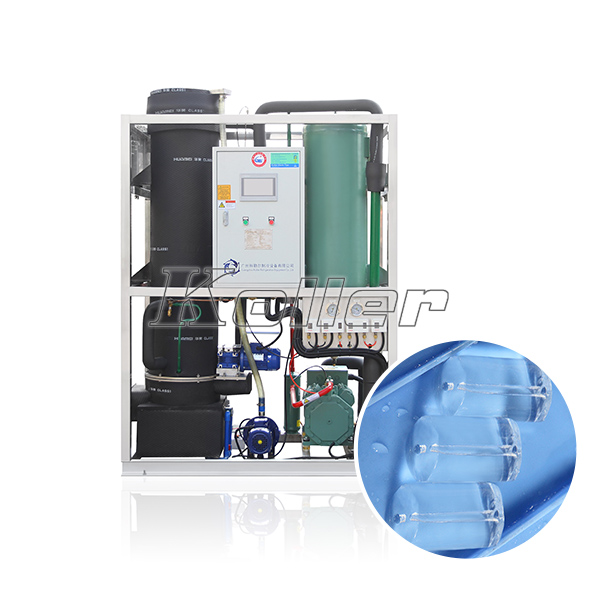
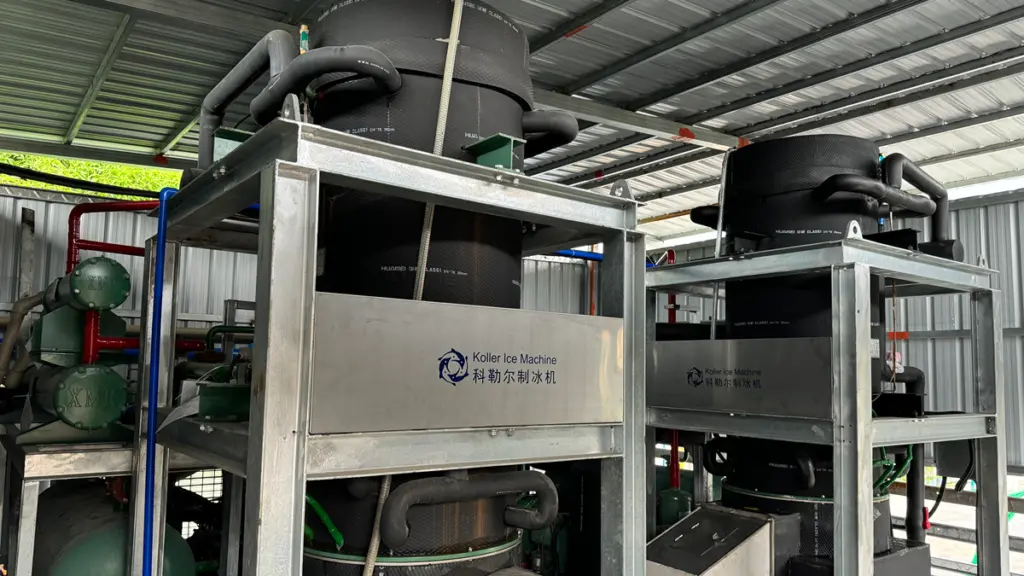
The freezing process takes place inside vertical stainless steel tubes. Water continuously flows through the system while the refrigeration unit removes heat and gradually freezes the water along the inner walls.
The main steps include:
- Water supply: Clean water enters the machine and flows into the freezing tubes.
- Cooling and freezing: The refrigeration system cools the tubes, causing ice to form gradually along their inner walls.
- Ice formation: As the ice layer becomes thicker, it creates a hollow cylindrical shape around the center of each tube.
- Thickness control: The machine regulates the freezing time and water flow to produce ice with a consistent thickness.
Ice Harvesting and Cutting Process
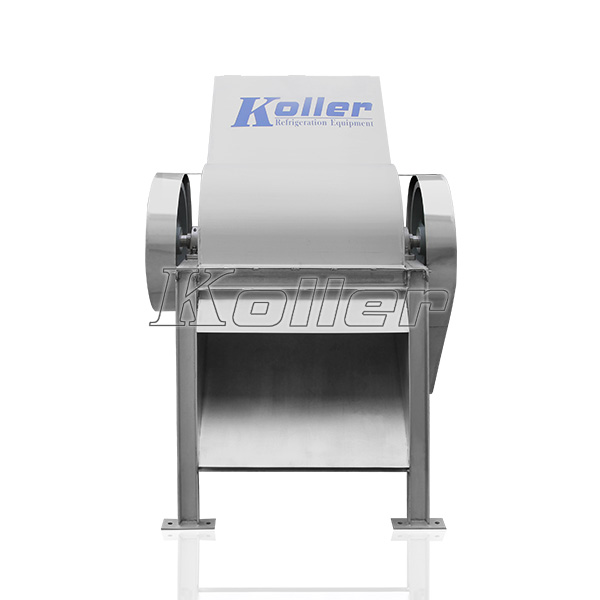
After the ice reaches the required thickness, the machine releases and prepares it for collection. This process allows the tube ice maker machine to produce uniform ice pieces continuously.
- 解凍: A short defrost cycle loosens the ice from the inner walls of the freezing tubes.
- Ice release: The hollow ice cylinders separate from the tubes and move downward.
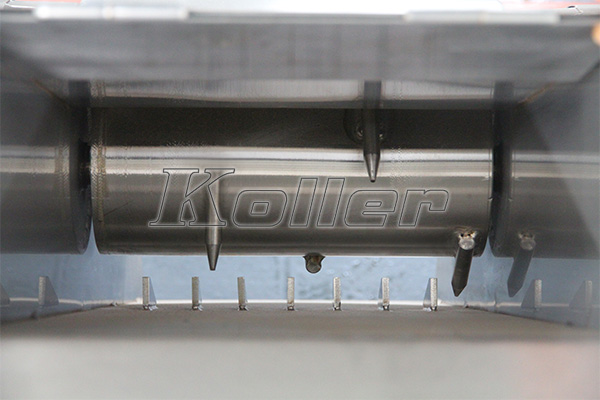
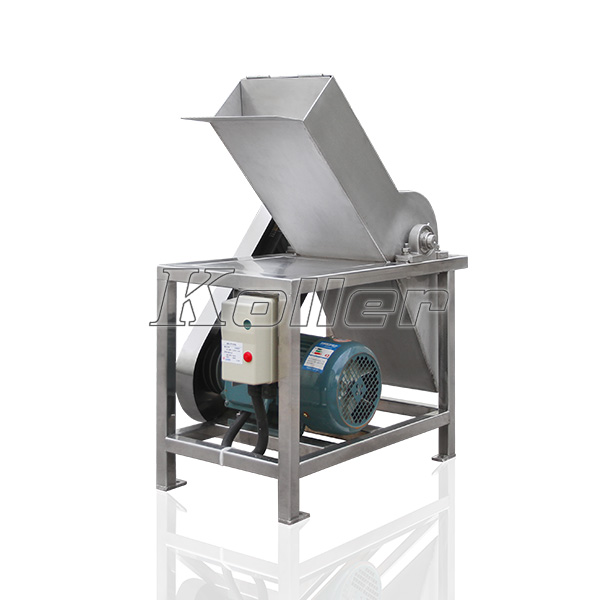
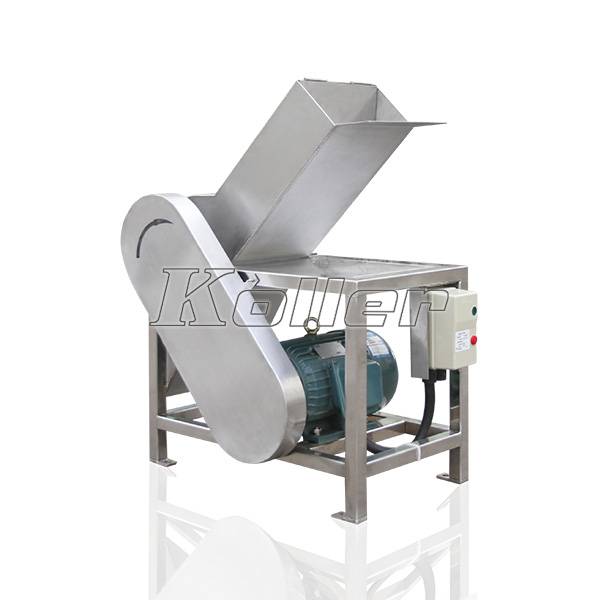
- Cutting: A cutting mechanism divides the cylinders into pieces of the required length.
- コレクション: The finished tube ice falls into a storage bin or collection system for further handling and distribution.
This continuous process allows commercial and industrial tube ice machines to produce consistent ice efficiently, with different capacities and ice sizes available for various applications.
What Are the Benefits and Applications of Tube Ice Machines?
Tube ice machines offer practical advantages for businesses that need a stable supply of ice for cooling, 保存, ストレージ, and commercial distribution across different industries.
Key Benefits of Tube Ice
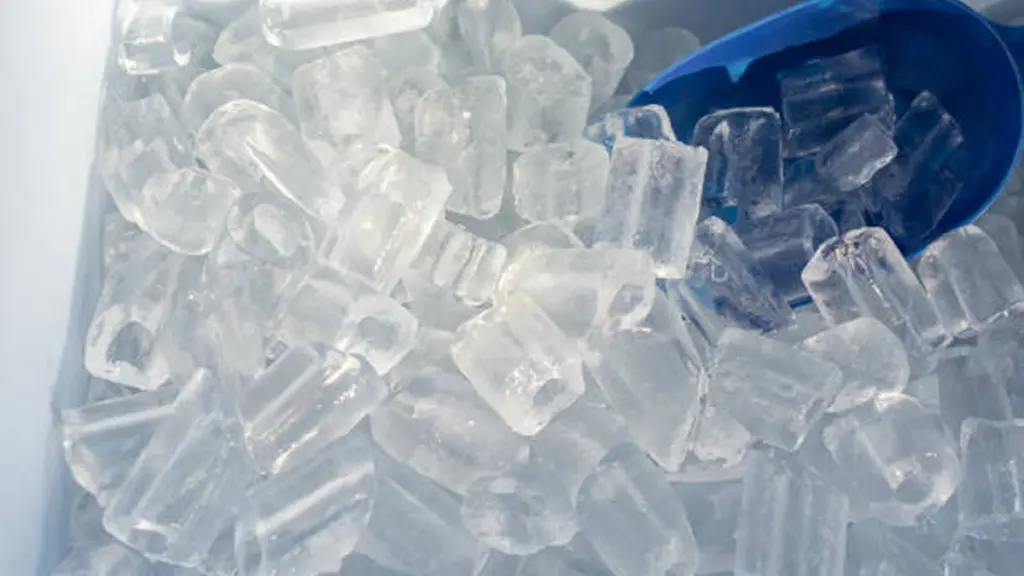
Tube ice offers several practical benefits for commercial and industrial users. Its smooth, uniform shape makes it easy to handle, package, and transport, while the hollow center provides effective cooling for drinks, 食べ物, and other products.
Its relatively large structure also helps maintain low temperatures during storage and transportation. This can reduce the need for frequent ice replacement when products require cooling for several hours.
A commercial tube ice maker also gives businesses flexibility in production. Different machine capacities and ice sizes allow buyers to select equipment that matches their daily ice demand, storage space, and application needs.
Food and Beverage Applications
Tube ice is widely used in food and beverage operations where products need reliable cooling during preparation, ストレージ, or service. Different businesses use it for different purposes:
- Beverage Manufacturing: Beverage producers use tube ice to cool drinks and maintain suitable temperatures during processing, ストレージ, and distribution.
- Restaurants and Bars: Restaurants and bars use ice for drink service, product preparation, and temporary cold storage during daily operations.
- Supermarkets and Grocery Stores: Retail businesses use tube ice to support chilled displays and maintain suitable temperatures for selected food and beverage products.
- 食品加工: Food processing companies use tube ice for short-term cooling during production, handling, 梱包, and transportation.
The regular shape of tube ice also makes it easier to measure, move, and distribute during busy commercial operations. This helps businesses manage ice more consistently and reduce unnecessary waste.
漁業, 農業, and Industrial Applications
Tube ice also supports industries where temperature control affects product quality, storage conditions, and operating efficiency. Its applications extend beyond beverage cooling and food service:
- 水産 and Seafood: Seafood businesses use tube ice during sorting, ストレージ, and transportation to help maintain freshness throughout the cold chain.
- 農業: Agricultural businesses use ice to support produce preservation after harvesting and during transportation to markets or processing facilities.
- コンクリート冷却: 工事 companies may use ice to control concrete temperatures during production and placement, particularly in hot weather.
- Industrial Cooling: Other industrial operations use tube ice to manage material or equipment temperatures when large and consistent cooling capacity is required.
These applications show why tube ice production serves a wide range of commercial and industrial needs. Businesses can select a suitable tube ice machine based on their production volume, cooling requirements, and operating environment.
KOLLER Tube Ice Machines for Reliable Cooling
Tube Ice Machine Capacity and Configuration Options
Tube ice machines offer different capacities and configurations, allowing businesses to choose equipment based on production needs, ice size, 冷却方法, and installation conditions.
Different Production Capacities
Tube ice machines are available in different capacities, from small commercial units to large industrial systems. Koller offers models from 1 に 30 1日あたりトン, with customized solutions for higher production needs.
| モデル | 1日あたりの生産能力 |
|---|---|
| TV10 | 1 トン/日 |
| TV20 | 2 トン/日 |
| TV30 | 3 トン/日 |
| TV50 | 5 トン/日 |
| TV80 | 8 トン/日 |
| TV100 | 10 トン/日 |
| TV200 | 20 トン/日 |
| TV300 | 30 トン/日 |
For businesses looking for commercial or industrial equipment, explore Koller’s tube ice machine range to compare available models and production capacities.
Ice Size and Cooling System Options
Besides capacity, businesses should consider ice size and cooling method. Tube ice makers can produce different diameters and lengths, while air-cooled and water-cooled systems suit different installation conditions.
| Option | 説明 |
|---|---|
| Ice Diameter | Different diameters suit different cooling and handling needs. |
| Ice Length | Different lengths can meet packaging, ストレージ, and transportation needs. |
| 空冷 | Uses airflow to remove heat and suits locations with limited water availability. |
| 水冷 | Uses circulating water to remove heat and suits larger industrial systems. |
How to Choose the Right Tube Ice Machine?
The right tube ice machine should match daily demand, ice specifications, 冷却方法, installation conditions, and future business needs, not production capacity alone.
Production Capacity and Business Demand
The first step is to estimate how much ice your business needs in a typical day. Consider the amount of ice used for production, ストレージ, 交通機関, or customer service, as well as seasonal changes and expected business growth.
- Small businesses: レストラン, バー, and small retail stores usually need lower-capacity machines for drink service, food cooling, or temporary storage.
- Medium-sized operations: Seafood distributors, フードプロセッサー, and supermarkets may need several tons of ice per day for regular production, ストレージ, and transportation.
- Large industrial operations: Large food factories, ice distributors, and seafood processing facilities may require high-capacity systems for continuous production and large-scale cooling.
Choose a machine based on your actual daily ice consumption rather than the size of your business alone. The selected capacity should meet regular demand and leave enough room for peak periods and future growth.
Ice Specifications and Installation Requirements
Ice specifications and installation conditions should match the actual application. Buyers can use the following points to narrow down their requirements:
- Ice diameter and length: Choose smaller tubes when the ice needs to be easy to handle, package, or distribute. Larger or longer tubes may be more suitable for seafood cooling, 交通機関, or applications that need ice to remain solid for longer periods.
- Packaging and storage: Check the size of existing bags, containers, ice bins, and storage rooms before confirming the ice dimensions. The ice should fit the available packaging and storage system without creating extra handling work.
- Cooling method: Air-cooled machines may be suitable for locations with limited water availability or lower installation complexity. Water-cooled machines are often a better fit for larger industrial operations that require stable cooling during continuous production.
- Installation conditions: Confirm the available floor space, power supply, water source, drainage, 換気, and storage area. These requirements can affect which machine model and cooling system can be installed at the site.
Matching the machine configuration with the application and installation site helps avoid unnecessary costs and ensures a more stable ice production process.
最終的な考え
A tube ice machine provides a practical solution for businesses that need consistent ice for cooling, 保存, ストレージ, and transportation. Its hollow shape, different ice sizes, and range of production capacities make tube ice suitable for food processing, fisheries, beverage production, and other commercial and industrial applications.
Before purchasing, buyers should review daily ice demand, ice specifications, 冷却方法, and installation conditions. コラー delivers end-to-end ice machine services: equipment consultation, factory inspection, global logistics, on-site installation, and reliable warranty coverage across 180+ 国. お問い合わせ to discuss your requirements and find a tube ice machine that fits your operation.
よくある質問
What is a tube ice machine used for?
A tube ice machine produces hollow cylindrical ice for cooling, 保存, ストレージ, and transportation. Common applications include beverage cooling, 魚介類の保存, 食品加工, 農業, and concrete cooling.
How do I determine the right tube ice machine capacity?
Estimate the amount of ice your business uses during a normal day and during peak periods. Consider production, ストレージ, 交通機関, and customer service needs. Smaller businesses may need lower-capacity machines, while seafood processors, ice distributors, and large factories may require several tons of ice per day.
What ice sizes can a tube ice machine produce?
Tube ice machines can produce different ice diameters and lengths according to the application. Koller lists common ice lengths of 30–50 mm and diameters of 20–40 mm, with inner diameter adjustments also available. The final specifications should match packaging, ストレージ, 交通機関, and cooling requirements.
Should I choose an air-cooled or water-cooled tube ice machine?
Air-cooled systems may be suitable for locations with limited water availability or simpler installation requirements. Water-cooled systems are commonly used for larger industrial applications where stable heat removal and continuous operation are important. The available water supply, 設置スペース, and production capacity should all be considered.
Can tube ice machines be used for food and seafood applications?
はい. Tube ice is commonly used for beverage cooling, 魚介類の保存, 野菜の鮮度保持, 食品加工. Its smooth shape and controlled production process make it suitable for handling and cooling food-related products.