


Понимание того, что представляет собой промышленная машина для измельчения льда и как она работает, определяет, сможет ли ваше перерабатывающее предприятие поддерживать целостность холодовой цепи без риска остановки двигателя, неравномерного таяния или порчи продукции.
В этом анализе сравниваются конфигурации лезвий, шлифовальных и строгальных станков с отраслевыми стандартами производительности. Мы оцениваем требования к крутящему моменту двигателя и долговечность сплавов лезвий, чтобы помочь вам обеспечить стабильную производительность до двух тонн в час.
Что такое промышленная машина для измельчения льда?
Промышленные льдодробилки преобразуют сыпучие блоки или кубики льда в частицы нужного размера, используя механическую силу с высоким крутящим моментом, что позволяет удовлетворить высокие требования к охлаждению при обработке и хранении льда.
Определение и механические принципы
Стандартные коммерческие операции требуют надежного определения размера льда. Промышленные льдодробилки удовлетворяют именно этой потребности, выступая в качестве мощных измельчителей, которые принимают сыпучие материалы и измельчают их до точных, необходимых для работы размеров.
- Высокопроизводительная сортировка: Эти станки измельчают большие блоки, пластины или кубы на определённые, воспроизводимые по форме заготовки.
- Привод от электродвигателя: Мощные электродвигатели приводят систему в движение, вращая лезвия, шестерни или барабаны дробилки, которые измельчают поступающий материал.
- Удар в камере: Гравитационные или механические питатели проталкивают лед в прочную камеру дробления, где физический удар разрушает или измельчает его.
- Настройка параметров: Операторы используют регулируемые настройки и внутренние экраны для выбора точной текстуры, от крупных комков до мелкого снега.
Основные классификации и промышленное применение
Различные производственные процессы требуют различной текстуры. Выбор правильной конфигурации оборудования обеспечивает необходимую скорость плавления и площадь контактной поверхности для конкретных производственных условий.
- Классификация: В тяжелой промышленности для обработки больших объемов льда используются дробилки для блочного льда. В сфере гостиничного и розничного бизнеса для получения мелкого гранулированного льда применяются дробилки для кубического и пластинчатого льда.
- Интегрированные системы: Современные предприятия часто используют интегрированные льдогенераторы для производства чешуйчатого и пластинчатого льда. Эти системы напрямую связывают производство льда с внутренними механизмами измельчения для чистой автоматизированной обработки.
- Коммерческий пищевой сектор: производители продуктов питания используют гранулированный лед для сохранения свежих морепродуктов, контроля температуры во время интенсивной переработки мяса и поддержания порядка на прилавках магазинов.
- Охлаждение в тяжелых промышленных условиях: Химические заводы и строительные фирмы используют высокопроизводительные дробилки для регулирования температуры во время чувствительных реакций и твердения бетона.
Как работает промышленная машина для измельчения льда.
Промышленные льдодробилки используют высокомоментные двигатели и механические режущие узлы для быстрого измельчения льда в точные, однородные частицы по требованию.
| Тип дизайна | Рабочий механизм | целевой выход |
|---|---|---|
| На основе лезвия | Вращающиеся лезвия разрезают блоки или кубики льда. | Однородные куски и хлопья |
| Способ шлифовки | Разрушает лед между вращающейся и неподвижной пластинами. | Крупные или мелкие гранулы |
| Способ бритья | Соскребает ледяные глыбы на тонкие фрагменты. | Лед, похожий на снег |
Внутренние компоненты и последовательность операций
Обработка льда в больших объемах требует синхронизированного механического процесса. Системы повышенной прочности используют специализированные компоненты, способные выдерживать высокое физическое сопротивление плотных ледяных блоков без остановки.
- Электродвигатели: Обеспечивают высокий крутящий момент для привода внутренних режущих и шлифовальных узлов при больших нагрузках.
- Загрузочные бункеры: Направляйте сыпучие блоки льда или кубики в камеру измельчения для безопасной транспортировки.
- Вращающиеся лезвия: Прикладывают прямую механическую силу для быстрого измельчения, нарезки или перемалывания поступающего льда.
- Разгрузочные желоба: Направляют готовый продукт непосредственно в накопительный бункер или конвейерные системы для немедленного использования.
Механизмы дробления и выходные текстуры
Конструкция механизма напрямую определяет форму, площадь поверхности и скорость плавления готового изделия. Операторы настраивают эти системы для получения определенных текстур, адаптированных под бетонные смеси, консервирование морепродуктов или подачу напитков.
- Нарезка с помощью лезвия: разрезает лед на одинаковые кусочки, идеально подходящие для подачи напитков и блюд.
- Вращательная шлифовка: Разрушение льда между неподвижными и вращающимися пластинами с образованием крупных или мелких гранул.
- Точное соскабливание: превращает твердые ледяные глыбы в мелкую, похожую на снег текстуру для быстрого теплообмена.
- Механическое управление: отрегулируйте скорость вращения ротора и расстояние между ним и ротором, чтобы определить конечный размер и консистенцию частиц.
Мощные льдодробилки, рассчитанные на длительный срок службы.
Запросить оптовые цены →
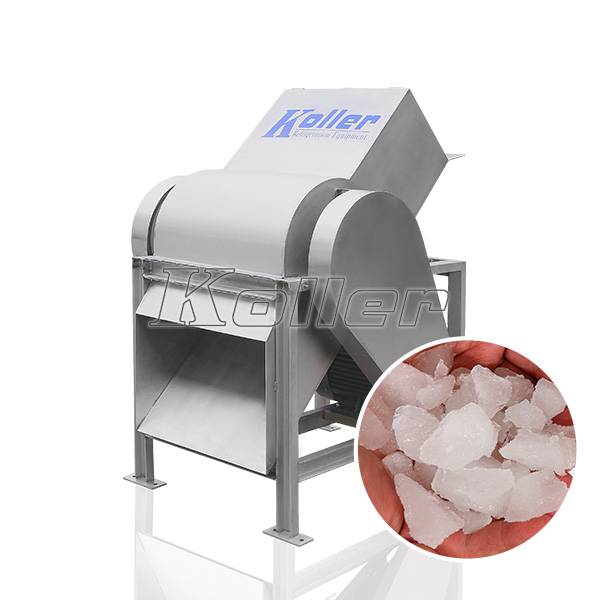
Основные компоненты льдодробилки
Понимание механической сборки, передачи мощности и системы управления промышленной дробилки для льда обеспечивает правильную спецификацию оборудования, эффективную работу и упрощенное техническое обслуживание.
Механический дробильно-подающий узел
Физическое измельчение льда происходит внутри прочной механической подсистемы, рассчитанной на постоянные удары и воздействие влаги. Эта конструкция обеспечивает плавный переход льда из исходного состояния в заданный размер частиц.
- Загрузочный бункер и камера измельчения: эти компоненты безопасно направляют сырые блоки или кубики льда в закрытую зону, где происходит фактическое измельчение.
- Высококачественные стальные лезвия и режущие элементы: лезвия, режущие элементы или шлифовальные ролики из нержавеющей стали создают высокоскоростное механическое усилие для разрезания и измельчения подаваемого льда.
- Выходное отверстие: Этот выходной патрубок направляет обработанные частицы льда непосредственно в бункеры для хранения, мешки или конвейерные системы.
Системы передачи и управления электроэнергией
Для работы с мощной дробилкой требуется точное распределение крутящего момента и надежные защитные ограждения. Электрические и конструктивные системы справляются с высокими механическими нагрузками, обеспечивая при этом безопасность влажной рабочей зоны.
- Электродвигатели и приводные системы: эти узлы передают скорость вращения и крутящий момент через валы, ремни или шестерни для привода основных режущих элементов.
- Коррозионностойкие рамы и корпуса: Прочные стальные конструкции поддерживают внутренние компоненты и защищают операторов во влажных условиях и при низких температурах.
- Встроенные панели управления и блокировки безопасности: коммутационные блоки позволяют операторам управлять функциями машины, предотвращая случайное замыкание и перегрузку двигателя.
Различные типы льдодробилок
Выбор подходящей дробилки для льда полностью зависит от формата исходного материала и требуемой текстуры на выходе, от необходимости сбалансировать интенсивное промышленное охлаждение с потребностями предприятий общественного питания, работающих в условиях низкой интенсивности.
Мы производим высоконадежные промышленные системы для обработки льда в больших объемах, обеспечивая стабильное регулирование температуры на линиях обработки с высокой нагрузкой.
- Промышленные дробилки для блочного льда: эти машины используют высокомоментные двигатели и тяжелые вращающиеся зубчатые барабаны для измельчения массивных блоков на щепки, хлопья или частицы, похожие на снег.
- Дробилки и измельчители чешуйчатого льда: Специальные режущие головки создают тонкие слои льда для охлаждения бетона, обработки мяса и демонстрации свежих морепродуктов.
- Высокопроизводительные дробилки для кубикового льда: эти устройства пропускают предварительно сформированные кубики льда через многолопастные роторы, обеспечивая равномерную гранулированность льда для предприятий общественного питания и крупных предприятий по производству напитков.
Согласование механической нагрузки дробилки с физической геометрией сырого льда предотвращает остановки двигателя и обеспечивает непрерывный поток льда производительностью до одной тонны в час.
Легкие коммерческие и ручные льдодробилки
Для предприятий общественного питания и небольших производственных партий облегченные системы обеспечивают немедленную подготовку льда непосредственно на месте использования без необходимости установки тяжелой техники.
- Электрические настольные измельчители льда: компактные коммерческие установки размещаются непосредственно на рабочих столах и позволяют быстро обеспечивать рестораны, бары и медицинские учреждения ежедневным запасом льда для напитков.
- Ручные дробилки с ручным приводом: эти устройства полностью полагаются на механическую силу человека для вращения лезвий, преодолевая сопротивление льда, и предлагают решение с нулевым энергопотреблением для удаленных полевых станций и опытных партий.
- Переносные и ручные дробилки: Высокая мобильность позволяет быстро организовать мероприятие и немедленно подготовить лед к использованию.
Хотя ручные и портативные установки не обладают такой высокой производительностью, как электрические коммерческие модели, они обеспечивают важнейшие резервные возможности при работе в удаленных полевых условиях и в мобильных пунктах общественного питания.
Типичные промышленные и коммерческие применения
Промышленные льдодробилки обеспечивают получение однородного льда с большой площадью поверхности для регулирования температуры, консервирования продуктов питания, а также управления химическими и отверждающими реакциями в основных секторах экономики.
Переработка пищевых продуктов, рыболовство и гостиничный бизнес.
Для охлаждения больших объемов требуется немедленная передача тепла. Стандартные ледяные блоки или кубики часто не обладают достаточной площадью контакта, необходимой для быстрого снижения температуры, поэтому дробленый лед является основным выбором для предприятий, которым необходимо предотвратить порчу и сохранить качество продукции.
- Коммерческое обслуживание напитков и общественного питания: бары, отели, кафе и стадионы производят большие объемы дробленого льда для удовлетворения пикового спроса на смешанные напитки и визуально привлекательной сервировки шведского стола.
- Предприятия пищевой промышленности: Пекарни и мясоперерабатывающие заводы используют быстрое охлаждение льдом во время замешивания и измельчения теста для контроля брожения теста и подавления роста микроорганизмов на производственных линиях.
- Рыболовство и сохранение морепродуктов: на рыбоперерабатывающих предприятиях и рынках морепродуктов ежедневно используются тонны дробленого льда для поддержания целостности холодовой цепи сразу после вылова, что позволяет сохранить текстуру и цвет рыбы.
- Логистика продуктов питания в рамках холодовой цепи: дистрибьюторы упаковывают скоропортящиеся грузы в изолированные транспортные контейнеры с дробленым льдом, чтобы предотвратить резкие перепады температуры во время региональных перевозок на большие расстояния.
Применение в строительстве, химической промышленности и здравоохранении.
Промышленное применение этого материала выходит далеко за рамки консервации продуктов питания. От регулирования реакций в бетоне до стабилизации летучих химических процессов, точный контроль температуры зависит от предсказуемых свойств плавления измельченного льда.
- Массовое охлаждение бетона: В жарком климате строительные бригады добавляют колотый лед непосредственно в бетонные смеси, предотвращая преждевременное затвердевание и термическое растрескивание крупных сооружений, таких как плотины и мосты.
- Химическое и технологическое производство: На перерабатывающих предприятиях в реакторы периодического действия вводятся точные количества льда для безопасного контроля экзотермических реакций и регулирования температуры в процессе полимеризации.
- Больницы и клинические учреждения: В медицинских учреждениях дробленый лед используется для физиотерапии, локального охлаждения во время послеоперационного восстановления пациентов и для сохранения биологических образцов.
- Лабораторные исследования: В исследовательских лабораториях используются мелкодисперсные, однородные ледяные бани для поддержания точных и стабильных температур, необходимых для проведения чувствительных химических реакций и деликатных ферментативных анализов.
Основные преимущества использования льдодробилки
Промышленные льдодробилки заменяют медленную ручную обработку автоматизированной высокопроизводительной сортировкой по размерам, что позволяет снизить трудозатраты и обеспечить быстрое и равномерное охлаждение на требовательных технологических линиях.
Повышение операционной эффективности и снижение затрат на рабочую силу.
Ручное измельчение льда замедляет производство и отнимает рабочее время сотрудников. Переход на механическую дробилку стандартизирует ваш ежедневный рабочий процесс и позволяет мгновенно удовлетворять потребности последующих этапов производства.
- Непрерывная работа в пиковые периоды: высокая производительность механического оборудования гарантирует, что ваши технологические линии никогда не будут останавливаться в часы пиковой нагрузки.
- Автоматизированная обработка: замена трудоемкого ручного дробления на моторизованные системы позволяет перераспределить трудовые ресурсы на более ценные технические задачи.
- Стандартизированные санитарные условия: закрытые дробильные камеры обеспечивают безопасные протоколы обращения с материалами, сводя к минимуму риск физического загрязнения.
Стабильная эффективность охлаждения и сохранение качества продукции.
Лед ведет себя по-разному в зависимости от размера. Крупные, неправильной формы куски тают неравномерно, тогда как однородный измельченный лед обеспечивает максимальную площадь контакта с поверхностью, что позволяет быстро сохранить качество продукта.
- Предсказуемая теплопередача: равномерный размер частиц льда обеспечивает повторяемость скорости охлаждения, что крайне важно для приготовления бетонных смесей и химических реакций.
- Быстрое охлаждение: измельченные или мелкодисперсные частицы обеспечивают большой контакт с поверхностью, мгновенно останавливая рост бактерий при переработке морепродуктов и мяса.
- Контроль операционных затрат: Точное дробление сводит к минимуму потери льда, снижая коммунальные расходы и оптимизируя ежедневный объем производства.
Факторы, влияющие на эффективность дробления.
Свойства подаваемого льда и механические параметры определяют фактическую производительность вашей дробилки. Оптимизация этих факторов предотвращает заклинивание двигателя, слипание и дорогостоящие незапланированные простои.
Характеристики подачи льда и свойства материалов
Сырой лед ведет себя по-разному в зависимости от своей формы и физического состояния. Управление этими свойствами материала обеспечивает стабильную работу системы.
- Форма и геометрия льда: подбор формы блоков, плит или кубов в соответствии с конструкцией дробилки обеспечивает оптимальное механическое сцепление и чистое изломание льда.
- Температура и твердость: Более холодный, хрупкий лед эффективно раскалывается, обеспечивая максимальную производительность, в то время как мягкий лед, близкий к точке плавления, вызывает слипание и закупорку.
- Влажность и смачивание поверхности: сухой лед предотвращает образование внутренних мостиков и перегрузку двигателя, тогда как влажный лед увеличивает трение и приводит к нестабильной скорости подачи.
- Равномерность подачи: Поддержание непрерывного потока льда одинакового размера стабилизирует механические нагрузки и предотвращает цикл перегрузок и простоев.
Механическая конструкция и эксплуатационные переменные
Механическая конструкция и способ подачи материалов операторами определяют ежедневный износ и качество выпускаемой продукции.
- Механизм дробления и конфигурация лезвий: острота лезвий, геометрия шипов и зазор между выходным отверстием и материалом напрямую определяют размер частиц и предотвращают засоры.
- Контроль загрузки бункера и скорости подачи: поддержание рекомендуемого уровня заполнения и использование механизмов подачи с заданным темпом, таких как толкатели, предотвращает заклинивание двигателя.
- Крутящий момент двигателя и рабочая скорость: Достаточная мощность и обеспечение достижения машиной полной скорости перед подачей материала имеют решающее значение для преодоления высокого сопротивления при запуске.
- Износ компонентов и плановое техническое обслуживание: Регулярная заточка лезвий, смазка подшипников и гигиеническая очистка позволяют сохранить производительность и предотвратить структурные искажения.
Советы по техническому обслуживанию и технике безопасности
Регулярная очистка и строгие протоколы блокировки/маркировки предотвращают дорогостоящие поломки оборудования и защищают операторов от высокоскоростных механических опасностей.
Эксплуатация высокопроизводительного дробильного оборудования требует тщательного технического обслуживания. Пренебрежение простыми ежедневными или ежемесячными задачами напрямую ухудшает качество продукции и создает дополнительную нагрузку на приводную систему.
Протоколы и графики профилактического технического обслуживания
Промышленные льдодробилки перерабатывают огромные объемы льда в условиях низких температур и повышенной влажности, создавая благоприятную среду для образования накипи и износа компонентов. Внедрение структурированных процедур технического обслуживания позволяет поддерживать работу машины на максимальной проектной мощности.
- Протокол санитарной обработки: Ежедневно очищайте все поверхности, контактирующие со льдом, с помощью безопасного для пищевых продуктов моющего средства и периодически проводите очистку встроенных систем водоснабжения от накипи, чтобы предотвратить образование минеральных отложений.
- Механическая центровка: Регулярно проверяйте остроту и центровку лезвий, одновременно нанося на подшипники и шестерни смазку пищевого качества.
- Проверка электрооборудования: проверяйте электрические кабели, вилки и автоматические датчики, чтобы предотвратить перегрузку двигателя и обеспечить точную калибровку.
- Поддержание оптимальной циркуляции воздуха: ежемесячно очищайте вентиляционные отверстия и конденсаторные змеевики для обеспечения надлежащей циркуляции воздуха и эффективности охлаждения.
- График работ: Необходимо строго соблюдать график, включающий ежедневную протирку поверхностей, еженедельную проверку канализации и ежегодную профессиональную проверку системы водоотведения.
Соблюдение этого графика позволяет защитить ключевые компоненты привода и избежать внезапных и дорогостоящих остановок в работе во время пиковых смен.
Стандарты безопасности эксплуатации и процедуры устранения неполадок
Оборудование для механической обработки материалов представляет собой реальную физическую опасность. Установление четких стандартов безопасности обеспечивает безопасность операторов и упрощает поиск и устранение неисправностей в случае их возникновения.
- Блокировка/маркировка (LOTO): Перед вскрытием любых внутренних компонентов или очисткой дробильной камеры необходимо строго соблюдать процедуры блокировки/маркировки (LOTO).
- Защитные ограждения: Убедитесь, что все защитные ограждения и блокировочные выключатели остаются полностью исправными, чтобы защитить операторов от вращающихся элементов.
- Ограничения по нагрузке: Предотвратите перегрузку и засорение двигателя, не допуская попадания посторонних предметов и соблюдая ограничения по грузоподъемности, установленные производителем.
- Немедленное устранение неполадок: Типичные проблемы следует устранять незамедлительно, проверив подключение питания, очистив засорившиеся фильтры и проконтролировав наличие необычного шума или вибрации.
- Ведение журнала работ: Для оптимизации срока службы оборудования необходимо вести подробные журналы технического обслуживания, включающие все проверки, ремонты и циклы дезинфекции.
Хорошо документированная процедура обеспечения безопасности снижает юридическую ответственность и помогает выявлять хронические закономерности механического износа до того, как они приведут к катастрофическим отказам системы.
Часто задаваемые вопросы
В чём разница между промышленной дробилкой для льда и льдогенератором?
Льдогенератор замораживает воду, чтобы получить лед новой формы, например, кубики или хлопья. Дробилка для льда не производит лед; вместо этого она использует механический узел с электроприводом для измельчения существующих ледяных блоков или кубиков на более мелкие, определенные размеры.
Может ли промышленная дробилка для льда перерабатывать блочный лед и трубчатый лед?
Да. Мощные промышленные дробилки регулярно измельчают твердые блочные ледяные блоки с помощью мощных шипов и лезвий. Эти установки также справляются с цилиндрическим трубчатым льдом и стандартными кубиками, при условии, что размеры бункера и камеры соответствуют геометрии льда и предотвращают образование заторов.
Сколько льда может переработать промышленная дробилка за час?
Производительность в час варьируется в зависимости от модели и желаемой текстуры льда. Промышленные установки среднего класса обрабатывают от 300 до 800 фунтов льда в час, в то время как высокопроизводительные электрические промышленные машины измельчают от 1 до 2 тонн льда в час при непрерывной работе.
Какой материал лезвий обеспечивает наилучшую производительность в промышленных льдодробилках?
Наилучший материал сочетает в себе твердость, ударную вязкость и коррозионную стойкость. Производители используют инструментальные стали DC53 или H13 для дробления тяжелых блоков, поскольку эти сплавы выдерживают сильные удары без сколов. Для обеспечения износостойкости при стандартных условиях эксплуатации и гигиены, соответствующей пищевым стандартам, лучше всего подходят высокохромистая нержавеющая сталь или инструментальная сталь D2.
Могут ли операторы регулировать размер частиц дробленого льда на выходе?
Да, многие промышленные дробилки позволяют операторам изменять размер частиц на выходе. Рабочие выбирают мелкий, средний или крупный размер, регулируя зазор между лезвиями, заменяя разгрузочные сита с разной сеткой или используя встроенные регуляторы размера.
Можно ли употреблять в пищу дробленый лед?
Дробленый лед остается безопасным для пищевых продуктов, если предприятия производят исходный лед из питьевой воды и обрабатывают его в дробилках, изготовленных из некоррозионных материалов, пригодных для контакта с пищевыми продуктами, таких как нержавеющая сталь. Регулярная очистка и дезинфекция в сочетании с гигиеничными методами обращения предотвращают микробное и химическое загрязнение.
Как часто требуется замена лезвий промышленных дробилок?
Срок службы лезвий зависит от объема использования и твердости льда. В крупных промышленных предприятиях лезвия часто заменяют или затачивают каждые 2–6 месяцев. В обычных промышленных установках одни и те же лезвия используются от 6 до 12 месяцев, прежде чем износ начнет влиять на эффективность дробления.
Какие меры безопасности должны быть предусмотрены в промышленных льдодробилках?
Промышленные льдодробилки требуют наличия защитных ограждений над бункерами и разгрузочными отверстиями для предотвращения контакта рук с льдом. Также необходимы электрические блокировки на дверях доступа, кнопки аварийной остановки немедленного действия, датчики перегрузки для обнаружения засоров и возможность блокировки/маркировки для безопасного технического обслуживания.
Заключительные мысли
Дешевые и легкие дробилки могут сэкономить первоначальные капиталовложения, но инвестиции в прочные стальные узлы с высоким крутящим моментом — единственный способ предотвратить остановку двигателя и дорогостоящие простои производства. Использование некачественных материалов для лезвий чревато загрязнением продукции и нестабильной скоростью охлаждения в пиковые смены. Выбор машины, изготовленной из пищевой нержавеющей стали и прецизионно закаленной инструментальной стали, защитит ваши производственные мощности и обеспечит целостность вашей ежедневной холодовой цепи.
Не стоит гадать о требуемой производительности или качестве сборки. Мы рекомендуем ознакомиться с нашим техническим каталогом или запланировать консультацию с нашей инженерной командой, чтобы подобрать систему, точно соответствующую вашим потребностям в почасовой производительности и размерах. Свяжитесь с нашими специалистами сегодня, чтобы обсудить индивидуальные OEM-конфигурации для вашей технологической линии.
