Have you ever wondered why some customers will drive past three identical fast-food chains just to buy a soda from a specific location? Nine times out of ten, it’s not the soda—it’s the ice.
If your current ice setup is watering down drinks, jamming dispensers during the lunch rush, or causing dental complaints, you are losing money. 今日, more businesses are discovering that switching to nugget ice, often called chewable ice or pellet ice, solves these headaches while directly boosting their bottom line.
But how can your commercial operation achieve this premium texture without relying on cheap, unreliable countertop units? Here are five reasons nugget ice is taking over the beverage industry, and how industrial systems can help you deliver it at scale.
What Is Nugget Ice?
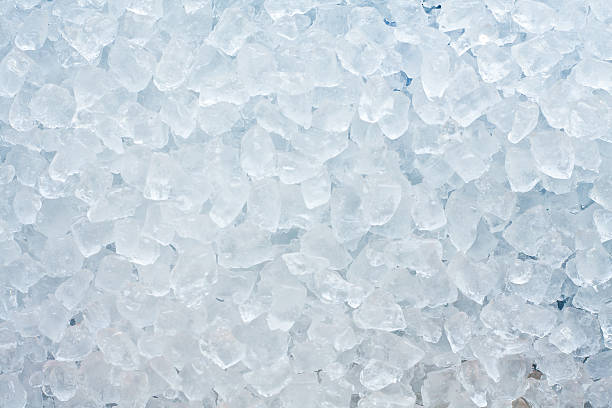
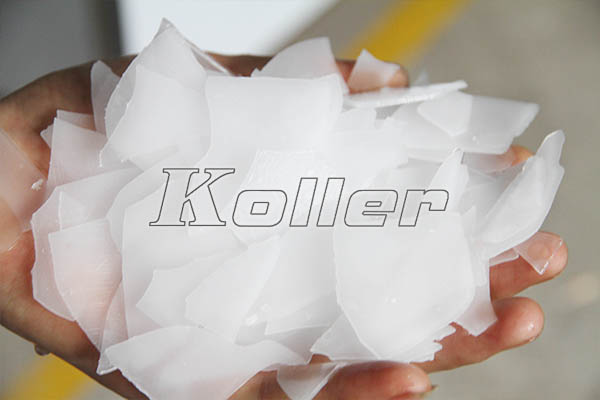
Nugget ice refers to soft, chewable pellets that are smaller and looser than traditional ice forms. Here is how it compares to the ice types you already use:
- Vs. Hard Cubes: Solid cubes are designed for extremely slow melting, making them ideal for sipping fine spirits. しかし, they can be hard on teeth and take longer to chill a room-temperature beverage. Nugget ice is soft, チュアブル, and chills liquids rapidly.
- Vs. フレークアイス: Flake ice is flat and thin. It is intentionally designed with a massive surface area for rapid, even cooling in food processing and seafood displays. Nugget ice takes that same フレークアイス but tightly compresses it into pellets, allowing it to hold its shape longer when submerged in beverages.
By bridging the gap between the rapid cooling of flakes and the structural integrity of cubes, nugget ice has become the go-to choice for foodservice operators looking to differentiate their drink menus.
The Chewable Texture That Guests Love
The soft, bite-sized pellets make it enjoyable to munch on after finishing a drink, completely eliminating the risk of dental damage associated with hard cubes. Younger customers in particular seek it out specifically. In the United States, Sonic Drive-In built an entire loyal customer base around this single texture, and operators in hospitality and retail are drawing the same lesson: the right ice keeps people coming back.
In quick-service settings, switching to chewable ice can turn a standard soda into a signature experience. Customers remember it, talk about it, and return for it. For a business competing on thin margins, that kind of organic loyalty is hard to buy any other way.
Less Dilution and Better Profit Margins
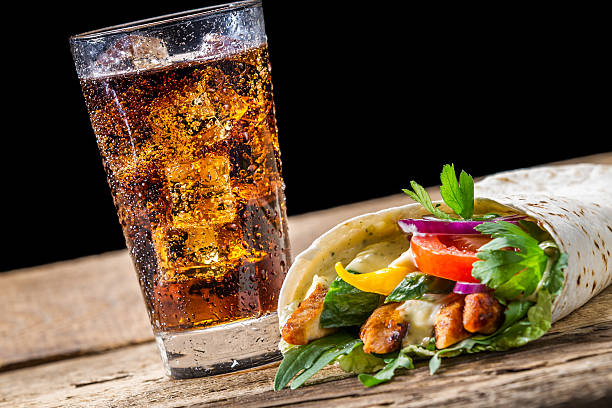
A common misconception is that small ice melts too fast. Nugget ice is made by tightly compressing flaked ice into dense pellets, which means it melts much more gradually than its size suggests.
Preserving Flavor Profiles
Nugget ice chills drinks rapidly while minimizing excessive dilution. Operators who switch often report fewer complaints about “watery” 飲み物, directly improving the customer’s perceived quality of the beverage.
The Hidden ROI: Liquid Displacement
Nugget ice offers a less obvious but very real Cost of Goods Sold (COGS) advantage. Due to its porous, bulky shape, it displaces more liquid in a cup than solid cubes. A cup looks and feels completely full, but it actually requires less syrup or beverage per serving. Multiply those fractional savings across hundreds of daily orders, and the impact on your profit margins becomes very real, very fast.
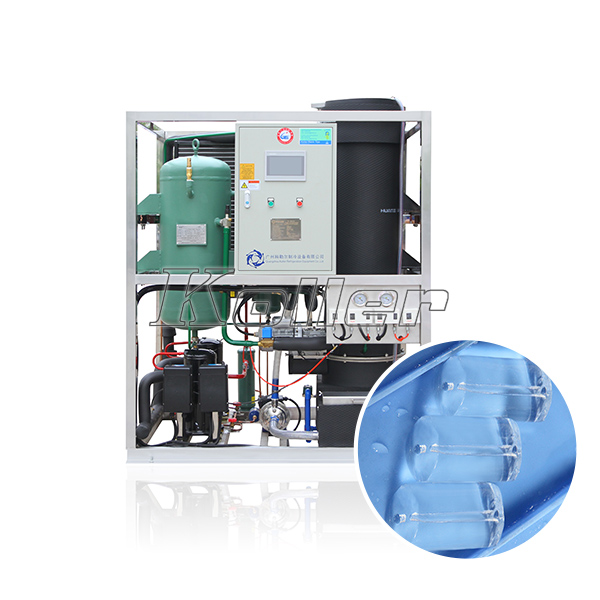
Unlock Peak Performance with KOLLER’s Advanced Ice Solutions
Built for Speed in High-Volume Operations
In a busy drive-thru or during a lunch rush, every second matters. Nugget ice offers unparalleled “flowability,” meaning it moves smoothly from the bin to the cup without the bridging or clumping problems common with square cubes. This physical trait solves several massive daily headaches for your staff:
- Faster Cup Filling: Because the small pellets easily fill the contours of any glass, staff do not have to shake or tap the cup to fit more ice in. They can fill beverages up to 30% faster, shaving critical seconds off drive-thru window times.
- No More Jammed Dispensers: 大きい, fused blocks of cube ice frequently jam beverage fountain dispensers, forcing staff to stop taking orders to manually break up the ice clog. Nugget ice flows like a liquid, completely eliminating this downtime.
- Better for Delivery: Compared to crushed or flake ice, the denser compressed structure of nugget ice melts more slowly. Customers who receive their order 20 に 30 minutes after it was packed still get a cold, well-chilled drink rather than a cup of diluted, room-temperature liquid.
One Ice Type That Works Across Multiple Industries
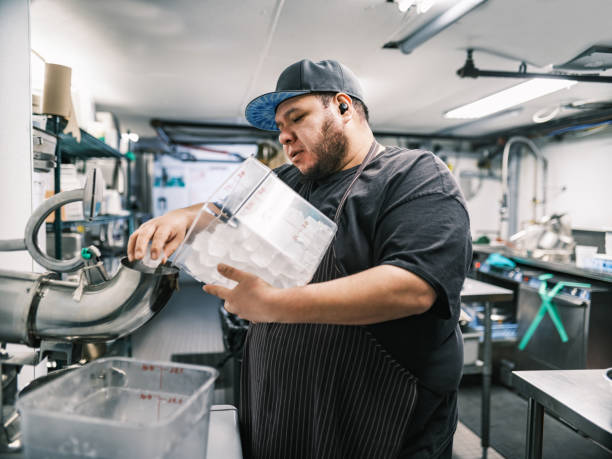
Its unique physical properties make nugget ice a highly adaptable solution across entirely different business models, which matters a great deal if you manage multiple concepts or locations.
Healthcare and Hospitals
で clinical settings, the chewable form aids patients with swallowing challenges, known as dysphagia, by providing a safe way to hydrate that minimizes choking hazards. The soft, meltable texture of nugget ice makes it a preferred choice under IDDSI (International Dysphagia Diet Standardisation Initiative) guidelines, specifically for patients at Level 7 Easy Chew or Level 6 Soft and Bite-Sized.
Foodservice and Retail Displays
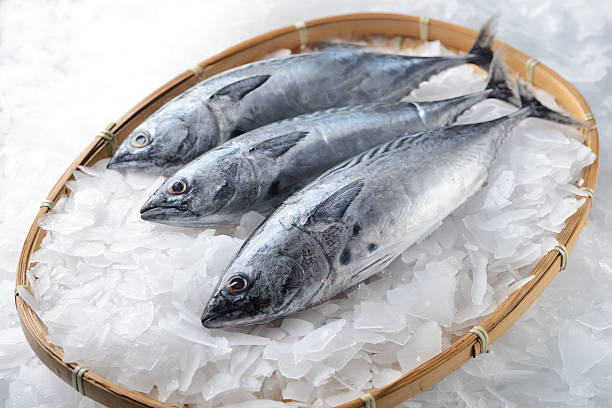
Beyond 飲み物, nugget ice suits chilled displays for seafood, サラダ, or cold buffets. The small nuggets mold seamlessly around bowls and platters, maintaining presentation while providing effective cooling without the liquid pooling issues of fully melted flake ice.
Brand Differentiation and Repeat Business
Giving people a reason to choose your drinks over the shop next door doesn’t have to be expensive. In a crowded foodservice market where competitors serve the exact same beverage brands, the texture of your ice becomes your unique signature.
の “Good Ice” Cult Following
Nugget ice has developed a genuine cult following. Customers routinely refer to it as “the good ice” on social media, and online communities frequently map out local gas stations, カフェ, and drive-thrus specifically based on whether they serve it. When you swap generic hard cubes for a premium ice texture, you immediately tap into this built-in loyalty. It is a small operational change that translates directly into organic word-of-mouth marketing and repeat visits.
Creating an Additional Revenue Stream
Some businesses have realized such high demand for this specific texture that they do not just serve it in cups—they sell it by the bag. Fast-food chains and convenience stores successfully sell bags of chewable ice for guests to take home for coolers and parties. This turns a simple operational supply into an entirely new, high-margin revenue stream.
The demand is undeniable. According to Grand View Research, the global nugget ice machine market will exceed USD 416 million by 2030. Operators across foodservice, retail, and healthcare are already making the switch —because they know that the right ice keeps people coming back.
Why You Need a True Commercial System
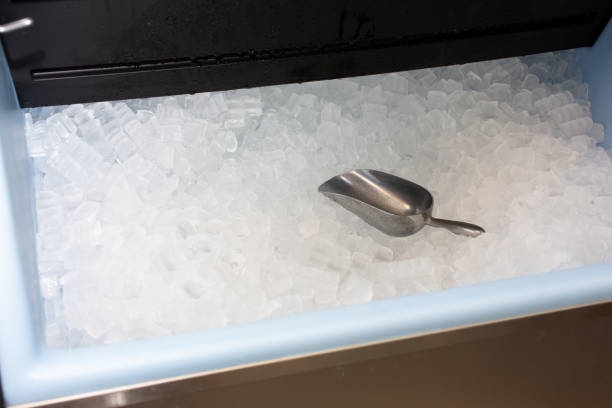
Once operators see the benefits of nugget ice, a common mistake is trying to cut corners by purchasing cheap, countertop units designed for residential use. In a foodservice environment, this is a costly error.
Unlike standard ice cubes that simply freeze and drop, nugget ice is created through continuous mechanical compression. This process puts immense stress on a machine’s internal parts. Countertop units are simply not built to handle the constant mechanical wear and mineral scale buildup that comes with running a daily lunch rush.
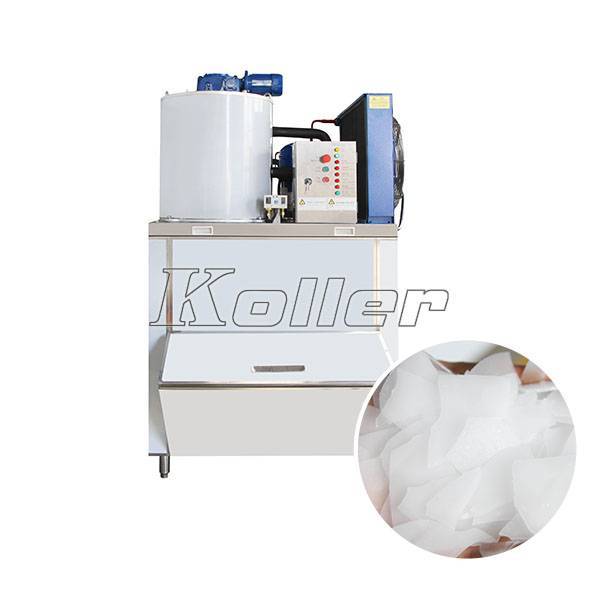
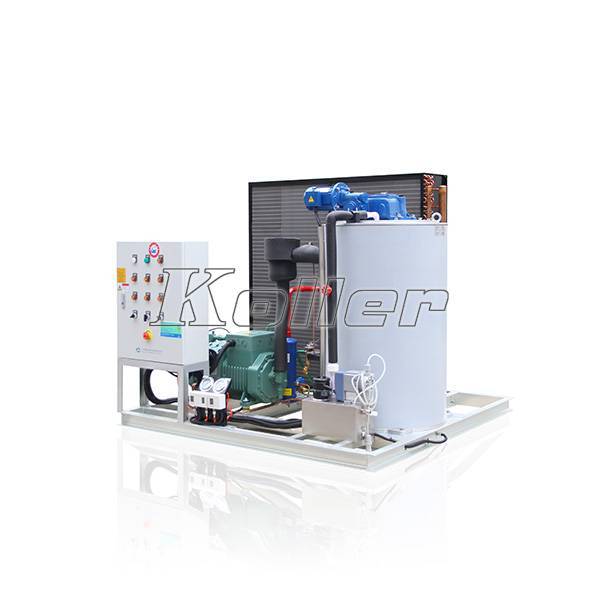
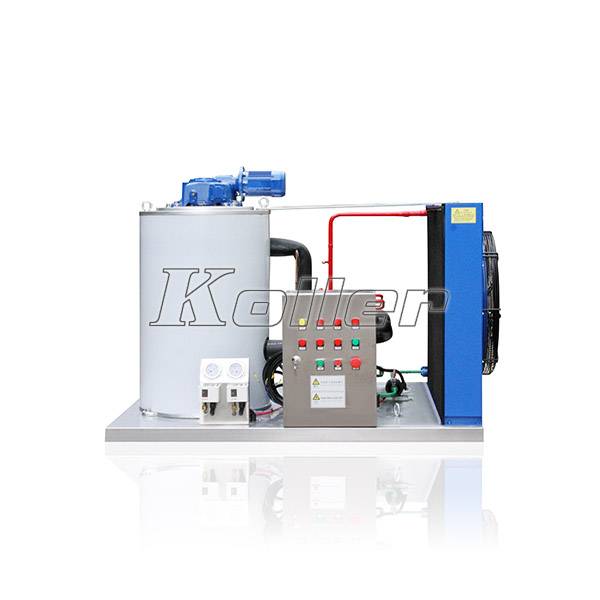
To deliver the premium texture your guests want without facing continuous breakdowns and service interruptions, you need a true industrial-grade system. Commercial machines use heavy-duty bearings and automated flushing cycles to handle continuous 24/7 operation, keeping your drink lines moving when you are busiest.
How to Choose the Right Ice Solution for Your Operation
Before investing in new equipment, match your ice production to your actual workflow. Consider these three factors:
- Peak-Hour Demand: Calculate your ice usage during your absolute busiest rush, not just your daily average. This number determines the machine capacity you actually need.
- Application Mix: Do you need high-carbonation retention for fountain sodas, or slower dilution for a cocktail bar? Different setups optimize for different outcomes.
- Space and Power: Ensure your facility has the infrastructure, drainage, and electrical setup to support a high-capacity system before you commit.
A quick conversation with an industrial ice specialist can save you from buying a machine that looks right on paper but struggles under real operating conditions.
Ready to Upgrade Your Ice Setup?
Nugget ice delivers real ROI through happier guests, better profit margins, and smoother operations. Are you ready to upgrade your facility’s ice capabilities? Skip the trial-and-error of undersized equipment. Get an industrial-grade ice machine that quietly handles your peak demand, so your team can focus on serving guests.
As a leading manufacturer of commercial and industrial refrigeration equipment, コラー specializes in building robust, high-capacity ice machines designed for real-world reliability. 今すぐお問い合わせください for a free assessment of your ice needs. Our team will recommend the exact system configuration to help you achieve the premium ice texture your customers crave.
よくある質問
1. How much nugget ice should I calculate per customer?
A good rule of thumb is 1.5 に 2 pounds of ice per customer for a standard meal. For fountain drinks, ice usually fills about 50% of the cup! If you run a high-traffic drive-thru or offer free refills, bump that estimate up by 20% so you never run dry during a rush.
2. Do commercial nugget ice machines require a specific water filter?
Absolutely! Nugget machines use internal moving parts to scrape and compress the ice. Hard water minerals can quickly build up on these parts, causing friction and expensive breakdowns. A good commercial water filter protects your equipment and keeps your drinks tasting great.
3. How often should a commercial nugget ice machine be cleaned?
Plan for a deep clean and sanitizing cycle every six months to keep your machine humming and your warranty intact. しかし, if your kitchen has a lot of airborne yeast or flour, such as in bakeries or pizzerias, you’ll want to bump that up to every 30 に 90 days to prevent slime buildup.
4. Why are nugget ice makers more complex than cube machines?
Cube machines mostly rely on gravity to let frozen ice drop into the bin. Nugget machines work harder! They use a heavy-duty rotating auger to actively scrape and compress ice under pressure. Because there are more moving parts, choosing an industrial-grade brand is key to preventing unexpected breakdowns.
5. Can I use nugget ice for alcoholic beverages and craft cocktails?
はい, but it depends on the drink! Nugget ice is a bartender’s best friend for tropical drinks, mojitos, or frozen cocktails because it absorbs syrups beautifully and chills instantly. But for premium spirits meant for slow sipping, like whiskey on the rocks, stick to large, slow-melting cubes to avoid watering them down.