


Выбор коммерческой машины для производства шарового льда — задача сложнее, чем просто сравнение суточной производительности. Неправильно подобранная машина может замедлить обслуживание в баре, увеличить коммунальные расходы и создать постоянные проблемы с техническим обслуживанием в часы пик.
Прежде чем инвестировать, необходимо понять, как производственная мощность, качество льда, системы охлаждения и долгосрочные эксплуатационные расходы влияют на ваш бизнес. В этом руководстве подробно рассматриваются ключевые факторы, которые следует учитывать перед совершением покупки.
Для какого типа бизнеса необходима коммерческая машина для производства шарового льда?
Бары и коктейльные бары
Коктейль-бары, виски-бары и элитные лаунжи являются основными пользователями аппаратов для приготовления шарообразного льда. Большие ледяные шары медленно тают, помогая сохранить вкус и внешний вид напитков с выраженным вкусом, таких как виски, бурбон и «Олд Фэшн». Они также создают более премиальный вид, что оправдывает более высокие цены в меню и укрепляет имидж крафтовых напитков.
Рестораны и отели высокого класса
В ресторанах высокой кухни, роскошных отелях и барах курортов используют шарообразный лед для повышения общего уровня обслуживания гостей. Премиальная подача льда соответствует высококлассным программам по приготовлению напитков и помогает создать более изысканное впечатление у гостей, заказывающих фирменные коктейли или элитные спиртные напитки.
Клубы и площадки для проведения мероприятий премиум-класса
В ночных клубах, VIP-лаунжах, частных клубах и местах проведения мероприятий часто используют ледяные шары для усиления атмосферы роскоши. В зонах обслуживания напитков в бутылках и в барах премиум-класса эффектный лед улучшает внешний вид напитков и повышает воспринимаемую ценность обслуживания клиентов.
Специализированные кафе и заведения, ориентированные на определенный бренд.
Специализированные кафе, винокурни, дегустационные залы и другие заведения, ориентированные на создание незабываемых впечатлений, все чаще используют шарообразный лед для приготовления фирменных холодных напитков, кофейных коктейлей, безалкогольных коктейлей и дегустаций крепких спиртных напитков. Визуальная презентация особенно эффективна для предприятий, которые полагаются на популярность в социальных сетях и позиционирование бренда как премиального.
Какой объем производственных мощностей по выпуску льда вам необходим?
Основные понятия: производство, хранение и использование.
Выбор подходящего оборудования начинается с понимания этих трех чисел. Не путайте их, иначе вы приобретете неподходящее оборудование.
- Производительность : Это заявленная мощность машины — максимальное количество льда (в фунтах), которое она может произвести за 24 часа в идеальных условиях, обычно это 70°F воздуха и 50°F воды. В более жарких кухнях этот показатель снижается.
- Вместимость бункера: это просто количество льда, которое может вместить бункер в любой момент времени. Она никак не связана с тем, сколько льда может произвести машина. Бункер служит буфером на периоды высокого спроса.
- Ежедневное потребление (спрос): это наиболее важный показатель. Это общее количество льда, которое ваше предприятие фактически использует в самый загруженный день. Расчет производится в зависимости от типа вашего бизнеса.
- Запас прочности: После расчета ежедневного потребления добавьте к нему 20%. Эта стандартная практика в отрасли покрывает непредвиденные пики спроса и дает вам возможность для роста без немедленной необходимости в новом оборудовании.
Расчет потребностей ресторанов, баров и предприятий общественного питания.
Предприятия, специализирующиеся на напитках, имеют высокие и разнообразные потребности в льду. Коктейль-бары предъявляют самые высокие требования, в то время как предприятия быстрого обслуживания могут рассчитывать потребности, исходя из объема стаканчиков.
- Стандартные рестораны: Хорошим базовым показателем является 1,5 фунта льда на одного клиента в день. Этого достаточно для напитков, подаваемых к столу, и основных потребностей бара.
- В коктейльных барах потребление льда возрастает примерно до 1,5 кг на одного клиента. Взбалтывание и перемешивание коктейлей требует большого количества льда, который затем выбрасывается, а использование льда большого формата, например, шаров, увеличивает вес напитка.
- Станции самообслуживания с напитками: для них требуется больше льда для пополнения запасов. Рассчитывайте примерно на 2-3 фунта на одного клиента.
- Быстрое обслуживание и обслуживание через окно для автомобилистов: Размер порции здесь определяется объемом напитка. Обычно используют 8 унций льда на стандартный напиток объемом 12-16 унций.
Расчет размеров для гостиниц и медицинских учреждений
В этих отраслях расчеты основаны на количестве палат или коек, а не на количестве отдельных клиентов. Потребности являются постоянными и предсказуемыми, особенно в сфере здравоохранения.
- Отели и мотели: Стандартное количество льда — 5 фунтов на номер в день. Это включает в себя льдогенераторы для гостей на каждом этаже.
- Больницы: Планируйте ежедневно поставлять 4,5 кг льда на каждую койку пациента. Это большое количество учитывает как диетические потребности (три приема пищи), так и различные медицинские показания.
- Дома престарелых и учреждения для проживания с оказанием помощи: В таких учреждениях обычно требуется около 6 фунтов льда на каждую койку ежедневно.
Не забудьте отдельно рассчитать расходы на столовые для персонала и посетителей, используя стандартную модель для ресторанов.
Расчет стоимости для мероприятий, розничной торговли и периодического использования.
У некоторых предприятий спрос нерегулярный, но высокий. Для них складские мощности могут быть столь же важны, как и ежедневное производство.
- Места проведения мероприятий: Простое эмпирическое правило – 2 фунта льда на человека на протяжении всего мероприятия.
- Витрины продуктовых магазинов и магазинов морепродуктов: здесь спрос определяется объемом. Для поддержания свежести продуктов вам потребуется 35 фунтов льда на кубический фут торговой площади ежедневно.
- Магазины шаговой доступности: рассчитывайте потребности на основе продаж газированных напитков, используя те же показатели объема стаканчиков, что и рестораны быстрого обслуживания.
Для периодического использования, например, в залах для мероприятий, можно использовать бункеры большего размера — до 1,5 раз превышающие суточную производительность. Это позволяет машине накапливать большой запас льда между мероприятиями.
Рекомендации по размерам льда в зависимости от типа бизнеса
| Бизнес / Вариант использования | Необходимое количество льда в день |
|---|---|
| Посетитель ресторана | 1,5 фунта/день |
| Посетитель бара | 3 фунта/день |
| Номер в отеле | 5 фунтов/день |
| Больничная койка | 10 фунтов/день |
| Участник мероприятия | 2 фунта/мероприятие |
| Витрина | 35 фунтов/кубический фут/день |
| Буфер безопасности | +20% от общей суммы |
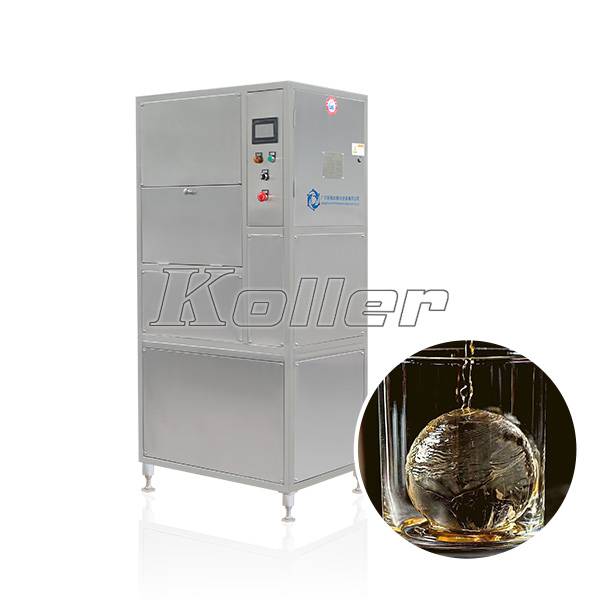
Идеальная подача с медленно тающим шаровидным льдом.
Изучение моделей машин →
Какие стандарты качества льда следует учитывать?
Чёткость, форма и плотность
- Высокая оптическая прозрачность является основным критерием для спиртных напитков премиум-класса, указывая на чистоту и улучшая внешний вид.
- Для обеспечения эстетической привлекательности и предсказуемой скорости плавления сферы должны иметь постоянный диаметр и округлость.
- Твердый, плотный лед тает медленнее и с меньшей вероятностью трескается или ломается, когда на него наливают напитки.
- Поверхность льда должна быть гладкой и без сколов, которые могут повлиять на разбавление и внешний вид.
Чистота, вкус и скорость плавления
- Лед должен иметь нейтральный вкус, без посторонних привкусов, вызванных нефильтрованной водой или плохой гигиеной оборудования.
- Системы фильтрации воды играют решающую роль в удалении минералов, хлора и осадка, влияющих на вкус и прозрачность воды.
- Медленное, контролируемое плавление имеет решающее значение для минимизации разбавления напитка при сохранении идеальной температуры подачи.
- Низкое соотношение площади поверхности к объему сферы специально разработано для замедления процесса плавления.
Производственная мощность и стабильность
- Машина должна поддерживать высокое качество льда даже при работе на максимальной номинальной суточной производительности.
- Обращайте внимание на жесткие допуски в размерах сфер, чтобы каждая деталь была практически идентична.
- Надежность в течение длительного времени имеет ключевое значение; машина должна стабильно производить высококачественные сферы на протяжении всего срока службы.
- Для предотвращения растрескивания, слипания или впитывания запахов готового льда необходимы надлежащие системы хранения и обработки.
Соответствие санитарным нормам и требованиям эффективности
- Промышленные льдогенераторы должны соответствовать стандартам безопасности пищевых продуктов, использовать материалы, пригодные для контакта с пищевыми продуктами, и иметь конструкцию, облегчающую очистку.
- Регулярная чистка и удаление накипи необходимы для предотвращения образования биопленки, накипи и плесени.
- Для управления эксплуатационными расходами необходимо проверять соответствие стандартам энергосбережения (например, DOE или ENERGY STAR).
- Эффективность использования воды, измеряемая в галлонах, израсходованных на 100 фунтов льда, является еще одним важным нормативным и экономическим фактором.
Какая конфигурация оборудования подходит для вашего помещения и рабочего процесса?
Выбор оптимальной установки льдогенератора зависит от трех факторов: наличия свободного места, ежедневной потребности в льду и способа доступа персонала или посетителей к льду.
Автономные модули для установки под столешницу и на столешницу
Эти устройства объединяют льдогенератор и бункер для льда в одном компактном корпусе. Они идеально подходят для баров, кафе и автозаправочных станций с ограниченным пространством на полу или прилавке. Такая конфигурация идеально подходит для небольшого и умеренного ежедневного спроса на лед, обеспечивая быстрый доступ к льду непосредственно в месте использования.
Модульные системы с головкой и бункером
Эта система включает в себя отдельный льдогенератор (головку) и бункер для хранения, что позволяет независимо регулировать объем производства и вместимость. Она разработана для предприятий с большими объемами производства, таких как крупные рестораны, отели и кафетерии. Модульная система поддерживает периоды пиковой нагрузки и обеспечивает непрерывную работу, позволяя масштабировать производство и хранение в соответствии с вашим рабочим процессом.
Диспенсеры для льда и воды
Диспенсеры обеспечивают контролируемый и гигиеничный доступ к льду, что делает их идеальным решением для зон самообслуживания или обслуживания гостей. Обычно их можно найти в коридорах отелей, комнатах отдыха в офисах и на станциях быстрого обслуживания напитков. Такая организация работы ускоряет обслуживание и снижает необходимость непосредственного контакта персонала со льдом.
Системы с дистанционным охлаждением или раздельного типа
Системы с дистанционным охлаждением отводят конденсаторный блок от льдогенератора, что снижает тепловыделение и шум в основной зоне обслуживания. Это хороший выбор для мест, где клиенты находятся в контакте, открытых кухонь или закрытых помещений, где важна температура окружающей среды. Хотя это повышает комфорт для персонала и гостей, это также требует более сложного планирования установки.
Какие эксплуатационные и технические расходы следует ожидать?
Коммунальные и ежедневные эксплуатационные расходы
Потребление электроэнергии и воды составляет значительную часть долгосрочных эксплуатационных расходов коммерческого льдогенератора. Потребление электроэнергии зависит от производительности, эффективности охлаждения, времени работы и температуры окружающей среды. Затраты на воду также включают фильтрацию, циклы продувки и процедуры очистки. Машины, работающие в условиях высокой производительности или высоких температур, как правило, со временем приводят к увеличению ежемесячных расходов на коммунальные услуги.
Расходы на техническое обслуживание и ремонт
Регулярное техническое обслуживание необходимо для поддержания стабильного качества льда и предотвращения неожиданных поломок оборудования. Большинству машин требуется плановая очистка от накипи, глубокая очистка, замена фильтров и системные проверки в течение года. Также следует быть готовым к периодическим ремонтам насосов, компрессоров или компонентов управления. Регулярное профилактическое техническое обслуживание обычно снижает риск дорогостоящих вызовов специалистов и незапланированных простоев в работе.
Владение или аренда машины
Приобретение оборудования требует больших первоначальных инвестиций, но эксплуатационные расходы, как правило, ниже после полной выплаты стоимости оборудования. Лизинг обеспечивает более предсказуемые ежемесячные расходы и может включать в себя техническое обслуживание или ремонт в рамках договора. Прежде чем выбрать какой-либо из вариантов, следует сравнить долгосрочные финансовые последствия, исходя из ваших производственных потребностей, бюджета и приоритетов в работе.
Как выбрать надежного поставщика коммерческих льдогенераторов для производства шарового льда
Проверьте производительность оборудования и требования к установке.
Для начала необходимо подтвердить реальную производительность оборудования в часы пиковой нагрузки, а не только заявленную 24-часовую производительность. Вам нужно знать, сможет ли оборудование справиться с самыми загруженными периодами обслуживания, имея при этом достаточную резервную мощность, чтобы избежать перебоев в часы пик.
Перед покупкой следует также проверить требования к установке, включая габариты машины, вентиляционное пространство, электропитание, дренаж и совместимость с системами фильтрации воды. Правильная установка напрямую влияет на качество льда, стабильность производства и срок службы машины.
Оцените опыт работы с поставщиками и гарантийную поддержку.
Выбирайте поставщика с опытом работы с барами, ресторанами, отелями и другими предприятиями, занимающимися продажей напитков. Поставщики, знакомые с особенностями работы с премиальными напитками, как правило, лучше подготовлены к тому, чтобы порекомендовать подходящую конфигурацию и оказать практическую техническую поддержку.
Информация о гарантии не менее важна. Вместо того чтобы сосредотачиваться только на сроке гарантии, проверьте, какие компоненты покрываются гарантией, включены ли в нее затраты на работу и при каких условиях гарантия может быть аннулирована. Понимание этих деталей на раннем этапе поможет избежать неожиданных расходов на ремонт в будущем.
Оцените послепродажное обслуживание и техническое сопровождение.
Послепродажная поддержка становится критически важной, как только машина начинает ежедневно эксплуатироваться. Прежде чем принимать решение, убедитесь, что поставщик предлагает местную техническую поддержку, наличие запасных частей и приемлемые сроки реагирования сервисной службы в вашем регионе.
Также следует обращать внимание на оборудование, разработанное для легкой очистки и обслуживания. Доступные внутренние компоненты упрощают удаление накипи и плановое техническое обслуживание, что помогает сократить время простоя и долгосрочные затраты на обслуживание.
Сравните долгосрочные эксплуатационные расходы.
Цена покупки — это лишь часть общих инвестиций. Потребление энергии, расход воды, замена фильтров, чистящие средства и расходы на техническое обслуживание — все это влияет на долгосрочные затраты на эксплуатацию.
Во многих случаях инвестиции в более эффективное оборудование с надежной технической поддержкой могут сэкономить вашему бизнесу значительно больше денег в долгосрочной перспективе, чем выбор более дешевой модели с более высокими эксплуатационными расходами или нестабильным обслуживанием.
Заключительные мысли
Коммерческая машина для производства шарового льда напрямую влияет на внешний вид напитков, их качество и общее впечатление клиентов. Для баров, отелей, ресторанов и других предприятий индустрии гостеприимства надежное производство льда способствует более плавной повседневной работе и повышению долгосрочной прибыльности. Если вы сосредоточитесь только на более низкой первоначальной цене, в дальнейшем вы можете столкнуться с более высокими затратами на техническое обслуживание, нестабильной работой и непостоянным качеством льда.
Компания Koller предлагает коммерческие решения для производства шарового льда, разработанные для требовательных предприятий общественного питания, где важны стабильное производство и долгосрочная надежность. Независимо от того, модернизируете ли вы существующую программу производства напитков или планируете новую коммерческую установку, Koller поможет вам выбрать конфигурацию оборудования, которая соответствует вашим производственным потребностям, рабочему процессу и бизнес-целям.
Свяжитесь с нами сегодня, чтобы подобрать оптимальное решение для вашего бизнеса по производству шарового льда для коммерческого использования.
Часто задаваемые вопросы
Сколько стоит промышленная машина для производства шарового льда?
Стоимость коммерческой машины для производства шарового льда зависит от объема производства, качества льда и уровня автоматизации. Модели начального уровня или модели для полупрофессиональных потребителей, предназначенные для небольшого коммерческого использования, обычно стоят от 500 до 2000 долларов. Коммерческие модели среднего уровня для баров и ресторанов стоят от 3000 до 7000 долларов. Высокопроизводительные автоматизированные системы для больших заведений или производственных предприятий могут стоить от 8000 до 25000 долларов и более.
Сколько ледяных шаров может произвести промышленный аппарат в день?
Производительность сильно варьируется. Небольшие подстольные машины для изготовления ледяных шаров могут производить около 300–400 шаров в день. Специализированные модели среднего класса обеспечивают производительность от 600 до более 1200 шаров в день. Высокопроизводительные автоматизированные системы могут производить от 2800 до более 4000 ледяных шаров в день, что делает их подходящими для крупных отелей, площадок для мероприятий или коммерческих дистрибьюторов льда.
Сложно ли обслуживать коммерческие машины для производства шарового льда?
Промышленные льдогенераторы для производства шарового льда требуют регулярного планового технического обслуживания, но для квалифицированного персонала это не представляет особой сложности. Техническое обслуживание включает в себя ежедневную протирку поверхностей, еженедельные проверки, а также тщательную глубокую очистку и дезинфекцию каждые 3–6 месяцев. Пренебрежение этим графиком может привести к ухудшению качества льда, нарушению санитарных норм и механическим поломкам.
В каких отраслях промышленности обычно используются коммерческие машины для производства шарового льда?
Эти машины наиболее распространены в отраслях, где ключевое значение имеет премиальная подача напитков. К основным пользователям относятся коктейль-бары, виски-бары, рестораны высокой кухни, бары в отелях, курорты и казино. Они также используются высококлассными кейтеринговыми компаниями, частными клубами и коммерческими предприятиями по производству льда, поставляющими продукцию для индустрии гостеприимства.
Могут ли промышленные машины для производства шарообразного льда изготавливать прозрачные ледяные шары?
Да, но только если машина специально разработана для производства прозрачного льда. В таких моделях используется направленный процесс заморозки, который вытесняет воздух и примеси из воды, в результате чего образуется прозрачный плотный шар. Стандартные машины для производства шарового льда часто производят мутный лед, потому что они замораживают воду со всех сторон одновременно.
