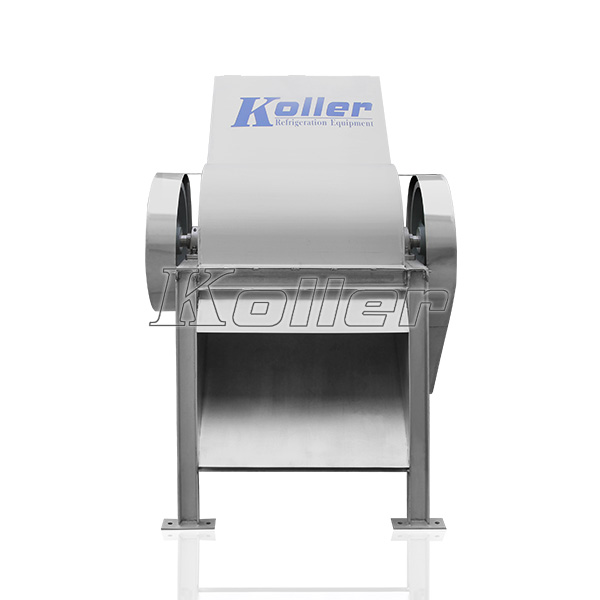
Analyzing Ice Block Crusher vs Tube Ice Crusher Which Solution Is More Efficient sourcing requirements prevents costly processing bottlenecks in seafood and industrial cold chains. Deploying the wrong system leads to excessive manual labor, high starting torque demands, and premature motor failure.
This analysis benchmarks high-torque block crushing designs against direct-refrigeration tube ice setups. We evaluate hourly mechanical throughput capacities and multi-year mold replacement expenses to help you secure a scalable result.
Block Ice Crusher vs Tube Ice Crusher Overview
Block ice preserves cold for long-haul logistics but requires high-torque crushing. Tube ice cuts upstream energy costs and automates processing with minimal mechanical strain.
Thermal Retention and Mechanical Demands of Block Ice Crushing
Dense block ice features a low surface-area-to-volume ratio. This physical profile preserves cold during long-distance transport before operators crush the material. It functions as a thermal battery, keeping temperatures stable over multi-day logistics chains without active mechanical refrigeration.
Crushing solid block ice demands high torque. Processing these heavy blocks requires rugged equipment outfitted with heavy-duty steel blades and high-horsepower motors. Without sufficient motor capacity, the massive physical resistance of solid blocks leads to mechanical strain, frequent jams, and accelerated wear on the drive assembly.
Operational Speed and Energy Efficiency of Tube Ice Crushing
Hollow, uniform tube ice pieces feed consistently into downstream crushers. Because the pre-fragmented cylinders have pre-defined fracture lines, the processing load decreases. This steady feed reduces motor strain and minimizes the risk of internal jams, allowing automated conveying lines to run continuously.
From a utility standpoint, tube ice production systems lower plant operating costs. These direct-refrigeration setups bypass brine tanks and heavy molds, saving substantial power compared to traditional block ice freezing setups. Operators see immediate reductions in monthly electrical bills and labor overhead.
How Each System Works
Block ice crushers use high torque to shatter massive, dense slabs, while tube ice sizers break uniform, hollow cylinders with minimal mechanical resistance.
Processing heavy block ice requires robust hardware capable of handling high physical resistance. The workflow moves from solid mass to fragmented output through heavy-duty mechanical force.
Block Ice Crushing Mechanics
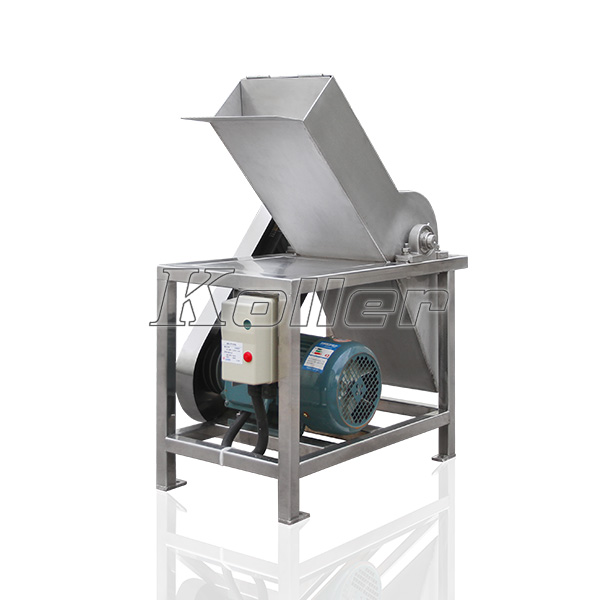
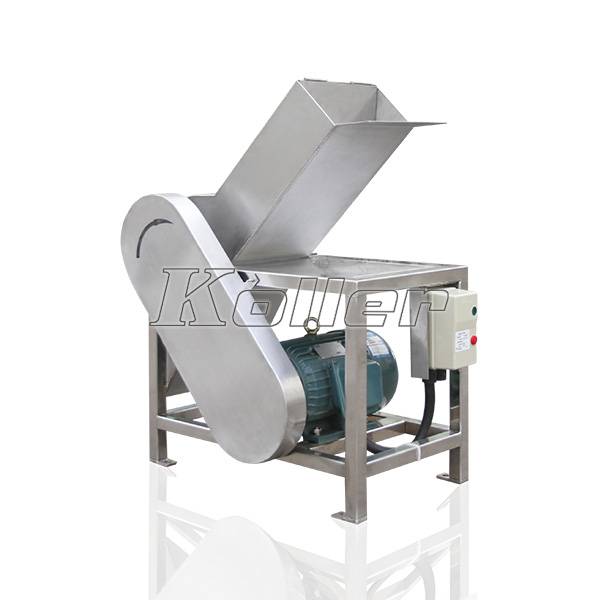
- Gravity-Fed Hoppers: Groß, dense ice blocks slide directly into the crushing chamber via vertical feed chutes.
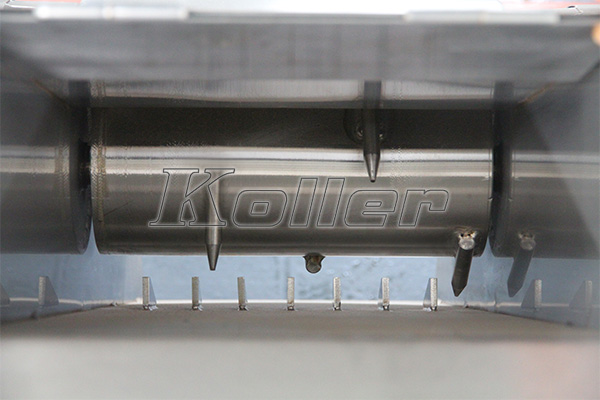
- High-Torque Motors: Electric drive motors power rotating steel blades or heavy pins to apply massive fracture force.
- Mechanical Impact: Rapid physical strikes shatter the solid blocks into smaller, irregular fragments or snow-like particles.
- Outfeed Discharge: The system pushes finished pieces through a discharge chute for collection or immediate downstream packaging.
- Production Sequence: Operators freeze water in a mold, harvest the solid block, and then manually or mechanically feed it into the crusher.
Because block ice is physically dense and heavy, these systems prioritize raw physical strength and rugged components over precise sizing. This setup fits operations that store bulk block ice and crush it on demand near point-of-use.
Tube Ice Crushing Mechanics
Tube ice plants handle pre-sized, hollow cylinders that allow for highly predictable feed rates and uniform reduction cycles.
- Pre-Formed Cylinders: Hollow tube ice feeds consistently into the sizing mechanism without bridging.
- Low-Force Reduction: Rotating impact blades or compression elements easily break the thin-walled cylinders.
- Consistent Particle Size: Predictable starting dimensions ensure a highly uniform and repeatable final output.
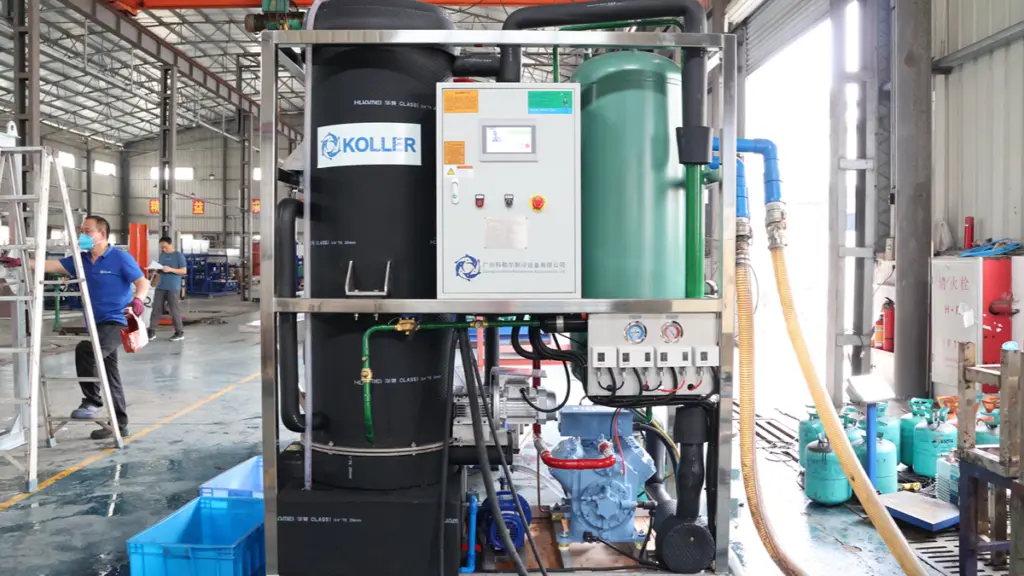
- Integrated Workflow: An automated tube-ice maker feeds the hollow ice directly into the sizing unit without manual handling.
- Direct Applications: Workers collect the uniform crushed ice for rapid cooling in food service, Meeresfrüchte-Auslagen, and beverage packaging.
The hollow geometry of tube ice reduces mechanical resistance, allowing operators to run smaller motors and achieve higher throughput per kilowatt of power. This setup fits automated, high-turnover food and beverage processing lines.
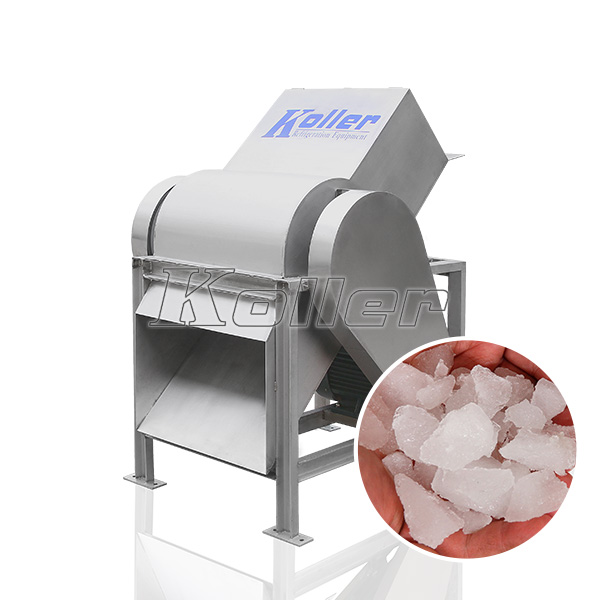
Heavy-Duty Ice Crushers Built to Last
Cooling Performance Comparison
Block ice holds low temperatures longest through low surface area, while tube ice provides faster chilling with easier product handling during active transport.
Temperature maintenance and block ice retention
Solid blocks provide a slow, steady thermal release. This characteristic makes block ice ideal for long-term temperature maintenance rather than rapid temperature pull-down.
Its lower surface area per unit mass reduces heat exchange rates. This physical limitation helps the ice last longer in warm environments during extended storage.
Operators select block ice for long-haul shipping and stationary cold storage. These setups prioritize minimal handling and maximum cooling duration over quick temperature drops.
Practical transport cooling and tube ice performance
Tube ice balances sustained cooling with easy handling. This combination makes it highly effective for daily packing, distribution, and food-grade applications.
The hollow geometric structure supports consistent heat transfer. It melts slower than flake ice but fits cleanly into constrained shipping spaces.
Businesses choose tube ice when they need uniform, food-safe cooling during active transit. It keeps products protected without the handling challenges of massive blocks.
Processing Capacity and Efficiency
Tube ice systems maximize daily throughput and energy efficiency through continuous automation, while block crushers deliver high instantaneous capacity for rugged, storage-focused logistics.
| Operating Aspect | Block Ice Crusher System | Tube Ice Crusher System |
|---|---|---|
| Hourly Capacity | 800–900 kg/h effective mechanical throughput | Sustained hourly flow matched to plant scale (Z.B., 10 TPD) |
| Feeding Mechanism | Manual or semi-automated batch feeding (major bottleneck) | Continuous automated conveyors, augers, or gravity chutes |
| Required Motor Torque | High starting and processing torque for dense mass blocks | Low to moderate torque for pre-fragmented hollow shapes |
| Daily Utilization | Variable, limited by manual block handling steps | Hoch, continuous automated runs with minimal downtime |
Baseline Throughput and Workflow Dynamics
Industrial ice processing plants must balance raw mechanical throughput with labor speed. While block crushing lines manage massive solid weights, the intermittent nature of manual handling creates distinct physical bottlenecks that are absent in modern, gravity-fed tube ice systems.
- Mechanical Throughput Rates: Industrial block ice crushers process single 5–50 kg blocks to achieve effective capacities of 800–900 kg/h. Continuous tube ice systems maintain steady hourly rates matched to the overall plant size, such as a 10-ton daily production line, avoiding the batch spikes of block systems.
- Cycle Times and Feeding Bottlenecks: Empirical testing shows that standard block crushers require approximately 34 seconds to feed and 38 seconds to crush a single block. This dual-phase requirement makes the manual feeding rate the primary bottleneck in the processing line.
- Labor-to-Machine Scaling: Upgrading from manual block breaking (0.58 blocks per minute) to machine-assisted crushing (6 blocks per minute) yields a tenfold throughput increase, yet operators must still manually lift and position the heavy block before processing.
- Pre-Fragmentation Advantages: Tube ice enters the crushing stage pre-fragmented by geometry. It requires less mechanical shear force per unit of mass than solid blocks, which eliminates intermittent feed delays and protects machinery from severe impact loads.
Operational Efficiency and Application Alignment
Raw hourly capacity only tells part of the story. System operators must also analyze energy profiles, labor overhead, floor layouts, and end-use environments to identify the most efficient physical setup for their specific process.
- Energy Consumption and Thermodynamic Losses: Tube ice systems utilize direct refrigeration to eliminate brine tanks and can-harvesting steps. This direct design lowers total energy consumption (kWh/ton) during both ice production and subsequent crushing.
- Labor and Automation Integration: Automated screw conveyors and augers feed tube ice continuously. This automated flow reduces physical handling overhead compared to block systems that demand manual hoisting, crane operations, and constant safety monitoring.
- Space Efficiency and Layout Optimization: Compact direct refrigeration equipment in tube ice setups reduces the production and processing footprint. This small footprint allows operators to locate crushing modules directly above processing lines, saving floor space.
- Application-Specific Thermal Performance: Block ice maintains superior latent heat retention for multi-day transport in remote regions. Crushed tube ice provides rapid cooling and high hygiene standards for direct-contact food processing and immediate mixing lines.
Operating Costs and Energy Consumption
Tube ice systems lower operating costs through automated handling and direct refrigeration, while block ice systems incur high labor and mold maintenance expenses.
Energy Consumption and Power Demand Differences
Refrigeration machinery drives the baseline power draw in any ice plant, but final energy efficiency depends heavily on how you handle and process the ice form.
- Baseline production energy: Both block and tube systems require 40 Zu 50 kWh per ton in temperate climates, which rises to 55 Zu 70 kWh per ton in tropical conditions.
- Ancillary electrical loads: Block ice setups demand high-torque motors, cranes, hoists, and brine pumps. Tube ice lines use automated screw conveyors and low-horsepower crushers that draw less peak power.
- System efficiency gains: Replacing a conventional 20-ton-per-day block ice plant with an automated tube ice plant reduces power consumption by 20% Zu 25%, saving roughly 191,689 kWh annually.
Tube ice plants utilize direct refrigeration, bypassing the thermal losses of brine tanks. This design keeps the compressor operating at a more stable coefficient of performance, which directly lowers your monthly utility bill.
Operating Cost Structure and Maintenance Demands
Operating costs split along two very different lines: block ice relies on physical handling and heavy wear parts, while tube ice systems trade a higher initial system complexity for automated, low-labor cycles.
- Labor and handling requirements: Block plants demand manual labor for harvesting, de-moulding, stacking, and feeding heavy 25 kg zu 50 kg blocks into high-torque crushers. Automated tube ice plants use continuous gravity harvest and screw conveyors, cutting labor costs per ton.
- Maintenance expenses: Traditional block systems suffer from corrosion and require constant mold repairs. For a 100-ton-per-day plant, replacing worn steel molds costs $60,000 Zu $100,000 every few years. Tube ice plants require water descaling and annual compressor oil checks but avoid major mold replacement cycles.
- Financial tradeoffs: While a tube ice plant demands a larger initial capital investment due to its food-grade construction and advanced evaporators, it achieves a higher net present value. An upgrade project typically pays back within 2.5 Jahre.
If your plant crushes ice daily at scale, the ongoing savings in labor and power make tube systems the default choice. Block plants make financial sense only if you have depreciated legacy equipment or require multi-day passive storage in remote logistics chains.
Wartungsanforderungen
Ice block crushers require heavy blade care and mechanical lubrication, while tube ice systems demand intensive water-side descaling and technical refrigeration upkeep to sustain thermal efficiency.
Operating a block ice crusher introduces heavy mechanical stress due to the sheer density of the frozen inputs. Neglecting daily upkeep leads to rapid motor burnout, high friction losses, and processing bottlenecks.
Routine care and mould management for ice block crushers
- Blade Sharpening: Sharpen the crushing blades regularly to lower motor strain and maintain high crushing throughput.
- Shift Cleaning: Wash and dry both the feed hopper and blades after every operational shift to prevent rust and bacterial growth.
- Lubrication: Grease bearings, shafts, and gears on a weekly schedule to prevent severe mechanical wear under high-torque loads.
- Mould Replacement: Factor routine block mould repair and replacement into your operating budget to manage the high-cost variables of block-ice plants.
Technical servicing and descaling for tube ice systems
Tube ice systems rely on integrated water loops and closed refrigeration circuits. Scaled evaporators and dirty condensers degrade heat transfer, forcing your compressor to work harder and consume more power.
- System Descaling: Run a citric-acid descaling cycle every three to six months to prevent mineral buildup, especially in hard-water zones.
- Compressor Oil: Replace compressor oil annually or immediately if the fluid becomes turbid.
- Condenser Cleaning: Brush the copper condenser tubes regularly to clear debris and maintain optimal refrigeration heat exchange.
- Electrical Inspections: Audit the control boxes, wiring, and grounding every two to three months to eliminate short-circuit risks.
Regular descaling and circuit checks protect the system’s design life, preventing expensive unplanned downtime in automated plants.
Best Applications for Block Ice Crushers
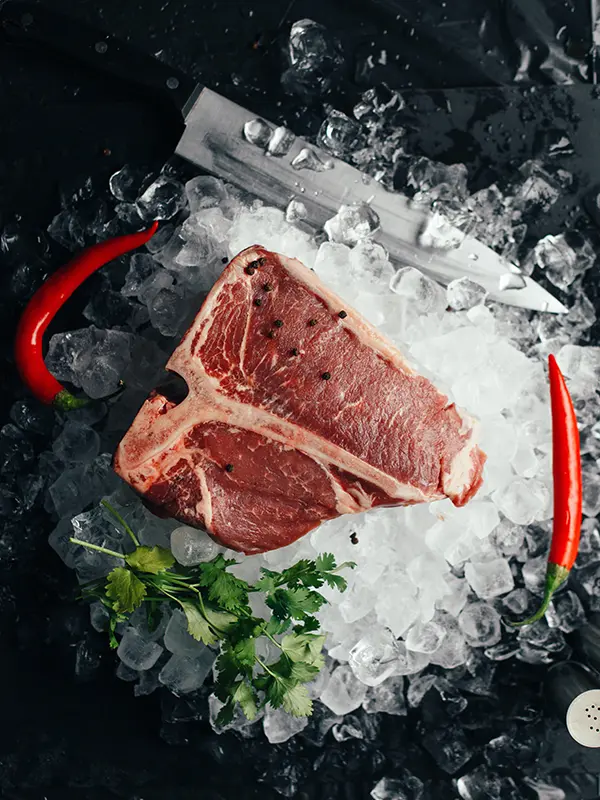
Block ice crushers provide slow-melting, high-density ice for heavy industrial operations, offshore logistics, and temperature-sensitive processing where standard ice melts too fast.
Industrial Food Processing and Concrete Cooling
Industrial operations require strict thermal management during manufacturing. High-mass cooling demands dense ice that survives extreme mechanical mixing and hot ambient conditions without early dilution.
- Meat and Dough Processing: Food processing facilities use adjustable block ice crushers to maintain low temperatures during meat grinding and dough mixing without adding excess moisture.
- Concrete Temperature Control: Concrete mixing plants rely on coarse crushed block ice to control temperatures during large pours and prevent thermal cracking in hot climates.
- Batch Vessel Cooling: Industrial plants regulate melting rates by adjusting crusher settings to produce the exact particle sizes needed for batch cooling vessels.
Offshore Fisheries and Remote Site Operations
Remote logistics rely on stable thermal reserves. Storing whole blocks minimizes structural melt loss over long timelines, allowing operators to generate crushed ice on demand.
- Marine Seafood Preservation: Offshore fishing vessels use block ice crushers to create dense, slow-melting packing ice that preserves catch quality throughout long voyages.
- Off-Grid Storage Reserves: Remote resorts, field camps, and research bases store solid ice blocks to minimize melt loss, crushing the ice only when needed for daily operations.
- Cold Chain Transport: Logistics managers choose crushed block ice over faster-melting alternatives to reduce re-icing frequency and lower overall energy costs during transport.
Best Applications for Tube Ice Crushers
Crushed tube ice provides rapid cooling and excellent packability, making it the standard for high-turnover beverage stations, hygienic food contact, and fresh food logistics.
Foodservice and Hospitality Beverage Operations
Peak service hours demand speed. Dining establishments and catering kitchens rely on crushed tube ice to chill drinks rapidly when customer volume spikes. High-turnover beverage stations especially benefit because the fractured ice blends without resisting blender blades and flows through dispensers much faster than solid cubes.
This setup directly addresses strict sanitary food-contact rules. By processing clean, edible-grade tube ice that meets drinking water standards, operations protect themselves from health code issues. Outside of the glass, catering teams spread this easily packable ice around buffet stations to keep cold dishes safely chilled with minimal manual effort.
Fresh Food Logistics and Retail Displays
In seafood logistics, air is the enemy. Seafood wholesalers pack crushed tube ice tightly around their catch to eliminate insulating air gaps and prevent spoilage during transit. Retailers mirror this strategy: supermarkets and fish markets spread crushed ice across display cases to maximize surface contact and keep seafood fresh for shoppers.
Cold chain operators also integrate this ice format into refrigerated truck workflows because it packs tightly and flows easily through automatic dispensing systems without bridging. Ähnlich, food processors deploy the crushed ice as an on-demand cooling medium to control batch temperatures between production steps.
Which Solution Delivers Better ROI
Tube ice systems deliver faster payback and higher net present value through automated workflows and lower energy use, while block ice remains optimal only for passive, long-term thermal retention.
Capital Cost and Operational Efficiency Analysis
Upstream infrastructure choices dictate upfront capital requirements and long-term operating margins. Traditional configurations lock operators into heavy mechanical cycles before the ice even reaches the crushing stage.
- Upstream Infrastructure Costs: Block ice systems require brine tanks and steel moulds, driving periodic replacement costs of $60,000 Zu $100,000 for a 100-ton plant.
- Capital Efficiency: Tube ice systems require a lower initial investment and deliver a higher net present value than traditional block configurations.
- Operational Energy Savings: Tube ice production cuts energy usage, showing documented electricity reductions of 4,000 Zu 6,000 kWh per month in 20-ton-per-day operations.
- Crushing Energy Demand: Crushing tube ice requires less mechanical energy because the uniform cylindrical geometry fractures far more easily than dense, solid blocks.
Reducing the mechanical resistance of the input ice directly preserves your crushers. Standardizing on tube geometry keeps motor wear low and prevents the current spikes common when processing solid blocks.
Labor Automation and System Payback Dynamics
Removing physical handling from the production floor secures both operational safety and steady throughput. Automated systems replace unpredictable human labor with predictable, continuous output.
- Labor Reduction: Automated tube ice plants lower labor requirements by eliminating manual de-moulding, heavy hoisting, and physical crusher feeding.
- Upgrade Payback: Industrial case studies show a 2.5-year payback period for tube ice upgrades, fueled by energy savings of up to 600 tonnes of oil equivalent at cluster scale.
- Thermal Retention: Block ice retains cold longer, offering 3 Zu 5 days of thermal hold for applications that lack active mechanical refrigeration.
- Compliance Value: Hygienic tube ice crushing delivers higher commercial value in food and beverage lines through food-grade certification and strict sanitary compliance.
Operators must balance the multi-day thermal hold of block ice against the quick payback and sanitary compliance of automated tube systems. For most modern processing setups, the labor savings and energy reductions quickly tip the scale.
Häufig gestellte Fragen
Which is better, block ice or tube ice?
Your cooling goal dictates the choice. Block ice wins for multi-day passive cooling and long-distance transport. Tube ice excels when you need food-grade hygiene, uniform sizing, quick cooling, and automated plant operations.
Is block ice cheaper than tube ice?
Block ice costs less per ton to produce and transport because the machinery is simpler and it melts slower. But tube ice is often cheaper per ton of usable, food-grade ice. It eliminates manual handling losses and bypasses the steep $60,000 Zu $100,000 cost of replacing worn block molds.
Which cools products faster?
Crushed tube ice cools products faster. The hollow cylinders break down into smaller pieces with a high specific surface area. This physical contact speeds up heat transfer, driving down temperatures in seafood or beverages much quicker than the blocky chunks from a block ice crusher.
Which ice type lasts longer?
Block ice lasts longer. Its low exposed surface area retains cold efficiently, keeping core temperatures sub-zero for three to five days without active mechanical refrigeration. Even after crushing, the coarse block fragments melt slower than crushed tube ice under identical ambient conditions.
Why do seafood factories still use block ice?
Seafood factories rely on block ice because its slow melting rate provides a critical safety margin during multi-day transport, remote storage, and harbor distribution. Storing blocks and crushing them only on demand reduces waste. Many legacy plants also keep using their existing, fully paid-off block infrastructure to avoid new capital costs.
Can tube ice be crushed?
Ja. The hollow core and thin walls of tube ice require less mechanical force and energy to fracture than solid blocks. Tube ice plants often feature integrated cutting systems that size the ice during harvest, and operators can use downstream tube ice crushers to process the cylinders into uniform granules or fine chips.
Which machine requires less maintenance?
Tube ice crushers require less maintenance. They gravity-feed uniform ice cylinders smoothly, resulting in low mechanical shock, minimal vibration, and few jams. Block ice crushers experience heavy wear, requiring frequent blade or hammer sharpening to handle the high impact loads of heavy solid blocks. Tube ice systems also eliminate high-maintenance brine tanks and cans.
Which solution is more energy efficient?
Tube ice systems are more energy-efficient overall. While direct-cooling block machines are efficient, block ice requires heavy-duty crushing that consumes significant mechanical energy. Tube ice requires much less force to size-reduce. Modern tube ice plants also use direct refrigeration and automated handling, consuming about 20% Zu 25% less electricity than conventional block ice plants.
Which is better for long-distance transportation?
Block ice is better for long-distance transportation. Its minimal exposed surface area maximizes latent heat retention, allowing it to preserve cold cargo for three to five days in passive insulated containers without active refrigeration. Tube ice has a high surface-area-to-volume ratio, causing it to melt too quickly during long journeys.
What industries use block ice crushers?
Commercial fishing, seafood distribution, and long-distance marine transport industries use block ice crushers to pack fresh catches. Concrete batching plants use them to cool large concrete mixes, and agricultural operations use them for hydrocooling fresh produce. They are also common in chemical processing for reaction control and in emergency disaster relief programs.
What industries prefer tube ice?
Food processing, poultry packaging, Supermärkte, and hospitality sectors prefer tube ice for its high purity and ease of automated handling. Chemical plants and concrete cooling operations also use tube ice because its hollow shape makes it easy to bag, shovel, and convey through automated delivery systems.
Which has lower operating costs?
Tube ice systems have lower operating costs. They consume less electricity than conventional block systems of similar capacity, and their automated operation reduces labor requirements. They also bypass the high maintenance expenses of block systems, such as brine management and recurring mold replacement.
How do I choose between them?
Choose a block ice crusher if you need long-duration cooling (over three days), operate in remote locations without active refrigeration, or have legacy block ice plants. Choose a tube ice crusher if you require rapid cooling, strict food-grade hygiene, continuous automated operations, and lower long-term operating costs.
Which provides the best ROI?
At an industrial scale, a tube ice system with a tube crusher delivers a better long-term ROI because its energy savings, reduced labor costs, and low maintenance overhead quickly offset the higher initial equipment costs. For small-scale, seasonal, or low-capital startups, a block ice crusher can provide a faster initial payback due to lower entry costs, but it remains more expensive to operate over time.
Abschließende Gedanken
Choosing between block and tube ice systems comes down to balancing raw thermal endurance against automated operational speed. While legacy block systems offer long-lasting thermal retention for remote shipping, automated tube ice crushers eliminate the high labor costs and mechanical wear of manual setups. Investing in modern, direct-refrigeration tube ice machinery protects your processing margins from rising utility bills and constant mold maintenance.
Avoid guesswork when sizing your plant’s refrigeration and crushing capacity. We recommend reviewing our industrial equipment catalog or sharing your daily tonnage requirements with our engineering team to map out a custom layout. Kontaktieren Sie uns noch heute to secure a detailed technical quote tailored to your processing workflow.