Si has leído nuestro guía básica de refrigeradores y congeladores, Ya sabes que la principal diferencia es la temperatura de funcionamiento.. Sin embargo, al evaluar un congelador frente a. enfriador, el verdadero desafío está en la ingeniería. Manteniendo -10°F (-23° C) requiere algo más que un motor potente. Necesita características estructurales específicas que no se encuentran en las unidades de refrigeración estándar..
Antes de sumergirnos en los detalles técnicos, La siguiente tabla resume los principales cambios de ingeniería necesarios en el congelador frente a. comparación más fresca.
Resumen de comparación de ingeniería
| Característica de ingeniería | Refrigerador | Congelador |
|---|---|---|
| Clasificación del compresor | MBP / HBP | dolor lumbar (Contrapresión baja) |
| Espaciado de aletas | Denso (6-8+ FPI) | Ancho (4-6 FPI) |
| Alivio de presión | No requerido | Ventilación calentada esencial |
| Método de descongelación | Aire / Fuera de ciclo | Eléctrico o Gas Caliente |
| Diseño de piso | Aislado estándar | Subsuelo ventilado |
Espaciado de aletas del evaporador y gestión del flujo de aire
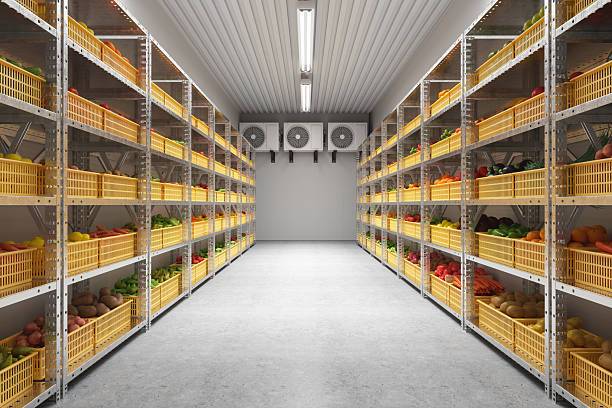
El evaporador es el componente responsable del intercambio de calor dentro de la unidad.. En un ambiente bajo cero, La humedad del aire se convierte naturalmente en escarcha al pasar sobre las aletas frías del evaporador.. Debido a esto, El diseño físico del evaporador es un factor importante en el congelador.. debate más fresco.
Los congeladores utilizan evaporadores con 4 a 6 Aletas por pulgada (FPI), mientras que los refrigeradores usan un más denso 6 a 8+ FPI. en un congelador, el espacio estrecho hace que la escarcha cubra los espacios casi inmediatamente. Esto restringe el flujo de aire y fuerza al sistema a funcionar excesivamente., ciclos de descongelación que desperdician energía. La configuración más amplia garantiza que el aire pueda continuar circulando eficazmente incluso cuando se forma escarcha entre los períodos de mantenimiento programados..
Ventilaciones de alivio de presión calentadas
porque un congelador es un entorno sellado de alto rendimiento, Es susceptible a cambios extremos en la presión del aire interno.. Esto es particularmente notable después de un ciclo de descongelación o cuando la puerta está cerrada.. A medida que el aire del interior se enfría rápidamente, Ocupa menos volumen y crea un potente efecto vacío..
sin un Ventilación de alivio de presión calentada, Esta aspiradora puede hacer que la puerta sea casi imposible de abrir.. En casos severos, la presión atmosférica externa puede incluso hacer que los paneles de pared aislados se pandeen. La ingeniería profesional requiere que estas rejillas de ventilación se calienten activamente.. Esto garantiza que la válvula interna nunca se congele., permitiendo que la unidad iguale la presión de forma segura. Esta es una característica que rara vez se necesita en un estándar. cámara frigorífica.
Ventilación del subsuelo y prevención de heladas
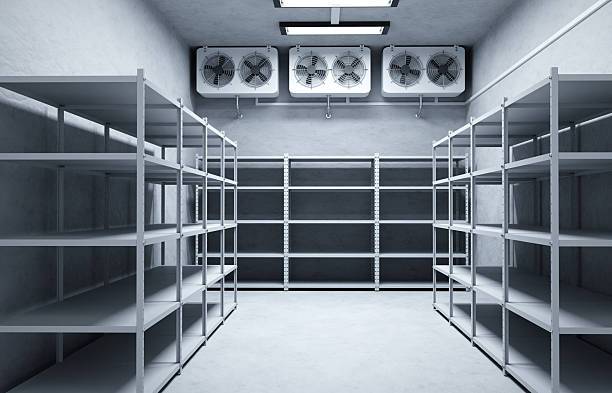
Mientras que una hielera puede colocarse directamente sobre un piso aislado estándar, Un congelador requiere una estrategia de cimentación más compleja para proteger el edificio.. Durante largos períodos de operación, El frío extremo de un congelador migra a través del aislamiento del piso y hacia el suelo debajo..
Para prevenir daños estructurales, Los ingenieros implementan soluciones específicas para el subsuelo.:
- Tubos de ventilación de PVC: Una red de tuberías permite que el aire ambiente circule debajo del congelador para evitar que el suelo se congele.
- Evitar las heladas: Sin estas medidas, la humedad en el suelo se congelará y expandirá. Esto crea heladas que pueden agrietar las losas de concreto y comprometer los cimientos de todo el edificio.. Este riesgo es una diferencia definitoria a la hora de elegir entre estos dos sistemas de refrigeración para uso industrial..
Calefacción del marco de la puerta y “Rotura Térmica” Ingeniería
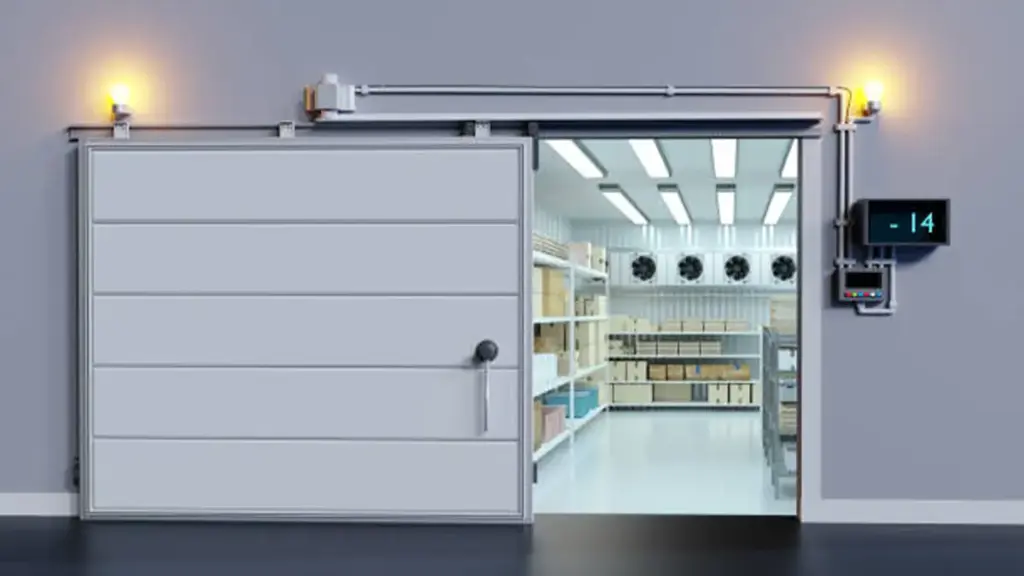
La puerta es la parte más activa de cualquier vestidor y su mayor vulnerabilidad técnica. en un congelador, El marco de la puerta es un campo de batalla constante entre el interior bajo cero y el aire exterior húmedo..
Las puertas del congelador cuentan con cables calefactores de bajo voltaje integrados directamente en el marco.. Estos cables mantienen las superficies de contacto lo suficientemente calientes como para evitar que la condensación se convierta en hielo.. Además, Los congeladores de alta gama utilizan diseños avanzados de rotura de puente térmico. (barreras no conductoras) en el marco de la puerta. Esto garantiza que el frío permanezca en el interior y no viaje a través del marco de metal hasta la pared exterior.. Previene la acumulación de humedad y moho., proporcionando un nivel de detalle mucho más allá de una cámara frigorífica básica.
dolor lumbar (Contrapresión baja) Diseño de compresores
El compresor es el “corazón” del sistema de refrigeración. Su ingeniería interna debe coincidir con la misión de temperatura prevista.. Al comparar congeladores y refrigeradores a nivel técnico, encontrará que los congeladores requieren Contrapresión baja (dolor lumbar) compresores. Están diseñados específicamente para funcionar con caudales de refrigerante más bajos y relaciones de compresión mucho más altas..
El uso de un compresor de refrigeración estándar para alcanzar la temperatura del congelador genera un estrés mecánico inmenso. Esto provoca que el aceite lubricante se degrade a altas temperaturas., y el motor eventualmente se sobrecalienta. Al invertir en un congelador, Asegurarse de que el compresor tenga clasificación LBP es el factor más importante para evitar fallos prematuros del sistema.. Esto asegura su 2026 El proyecto ofrece un fuerte retorno de la inversión..
Hacer la inversión adecuada
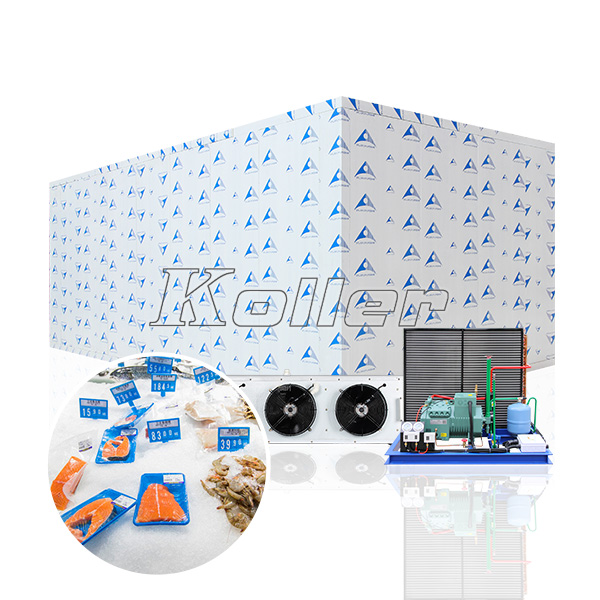
Comprender estos datos técnicos le ayudará a mirar más allá del precio de compra inicial.. Como comentamos en nuestro 2026 Precio & Guía de retorno de la inversión, La elección entre un congelador y un refrigerador implica diferencias significativas tanto en CAPEX como en OPEX a largo plazo..
Es vital asegurarse de que su unidad tenga las especificaciones de ingeniería correctas., como respiraderos calefactados, Compresores LBP, y ventilación adecuada del piso. Estas características críticas son la única manera de evitar costosas reparaciones de cimientos o fallas del equipo en el futuro..
Necesita una consulta técnica para su próximo proyecto?
KollerEl equipo de ingeniería de se especializa en el diseño de sistemas de alta eficiencia para fábricas de hielo y almacenamiento en frío industrial.. Contáctanos hoy para una cotización personalizada y un desglose técnico.
Preguntas frecuentes
¿Puedo convertir una cámara frigorífica existente en un congelador??
Técnicamente si, pero es una inversión arriesgada. Necesitaría reemplazar el compresor y agregar calefacción por suelo radiante.. Generalmente, Es más barato y mucho más seguro comprar un congelador exclusivo que revisar toda la infraestructura de un refrigerador.!
¿Cuánto tiempo hasta que mi congelador esté listo para usar después de la instalación??
Espere un 12 a 24 horas “desplegable” Período para que la unidad se estabilice a -10 °F.. por una propina: Alcance siempre su temperatura objetivo antes de cargar productos para mantener su compresor saludable y su inventario seguro.!
¿Realmente necesito un permiso de construcción para la instalación??
En la mayoría de las regiones, Sí! Estos sistemas implican importantes trabajos eléctricos y estructurales.. Comprobando tu local 2026 Los códigos tempranos evitan dolores de cabeza legales y garantizan que sus instalaciones cumplan totalmente con los estándares modernos de energía y seguridad..
¿Cuánto durará mi nuevo sistema de refrigeración??
Con mantenimiento regular trimestral, un sistema de alta calidad puede durar fácilmente 15 a 20 años. Simplemente mantenga esas bobinas limpias y selladas herméticamente.! Descuidar pequeñas tareas de mantenimiento es la forma más rápida de reducir a la mitad la vida útil de su equipo.
¿Puedo instalar mi unidad walk-in al aire libre??
Sí, pero necesitarás un “Paquete al aire libre.” Esto incluye un techo a prueba de lluvia., un kit de invierno, e impermeabilización especializada. Es la única forma de proteger tu inversión del sol, lluvia, y cambios extremos de temperatura!